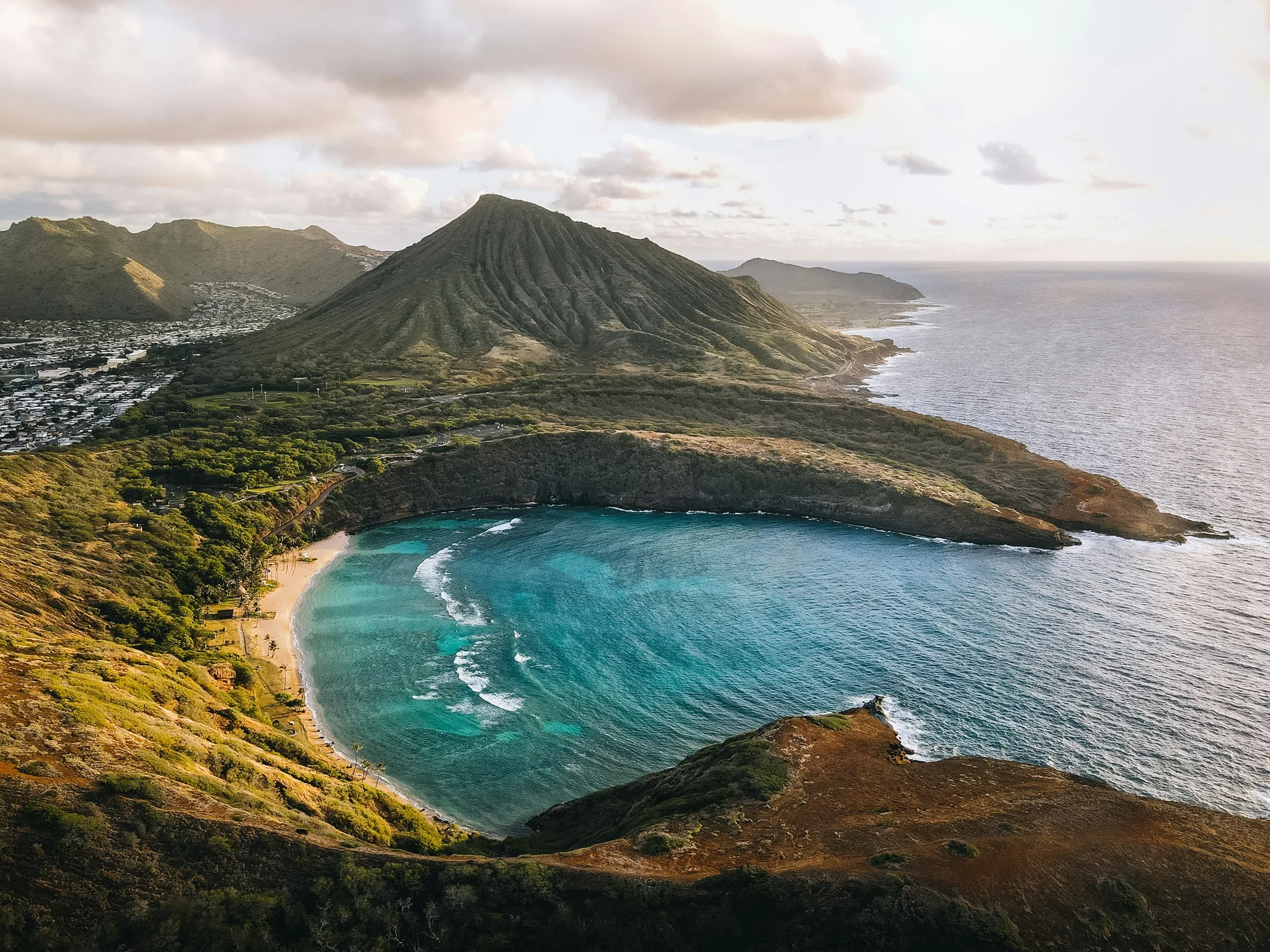

Koko Head District Park
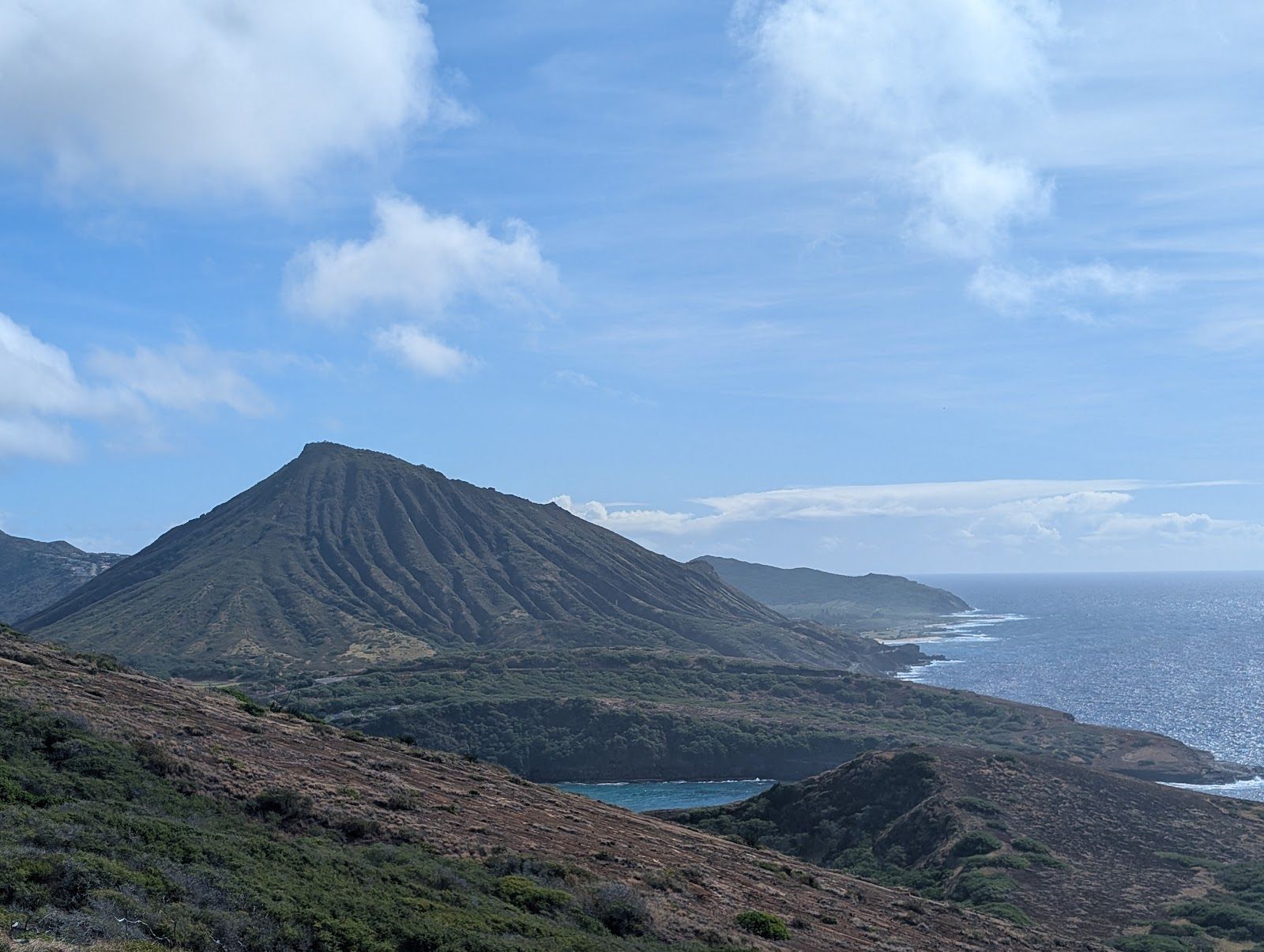
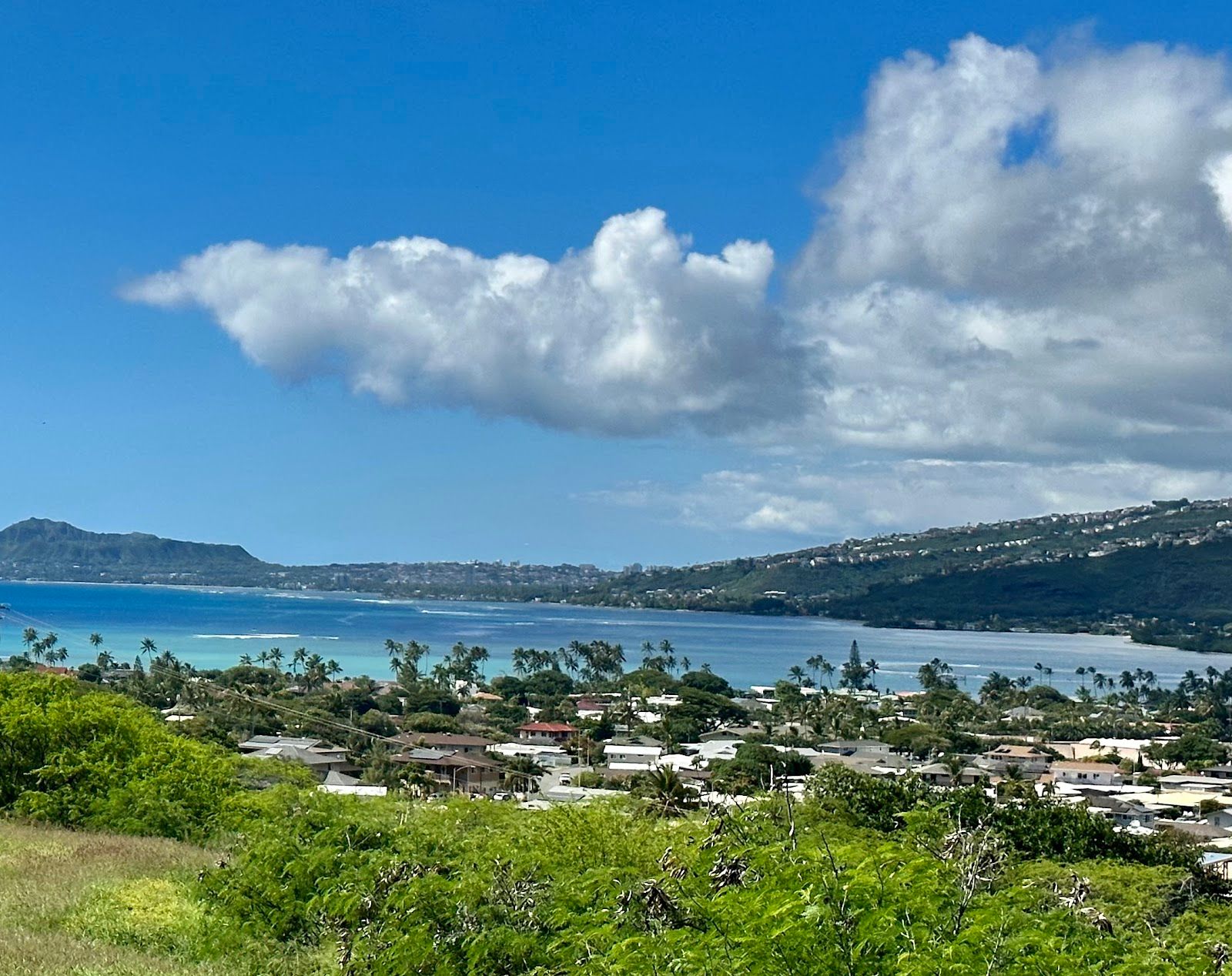
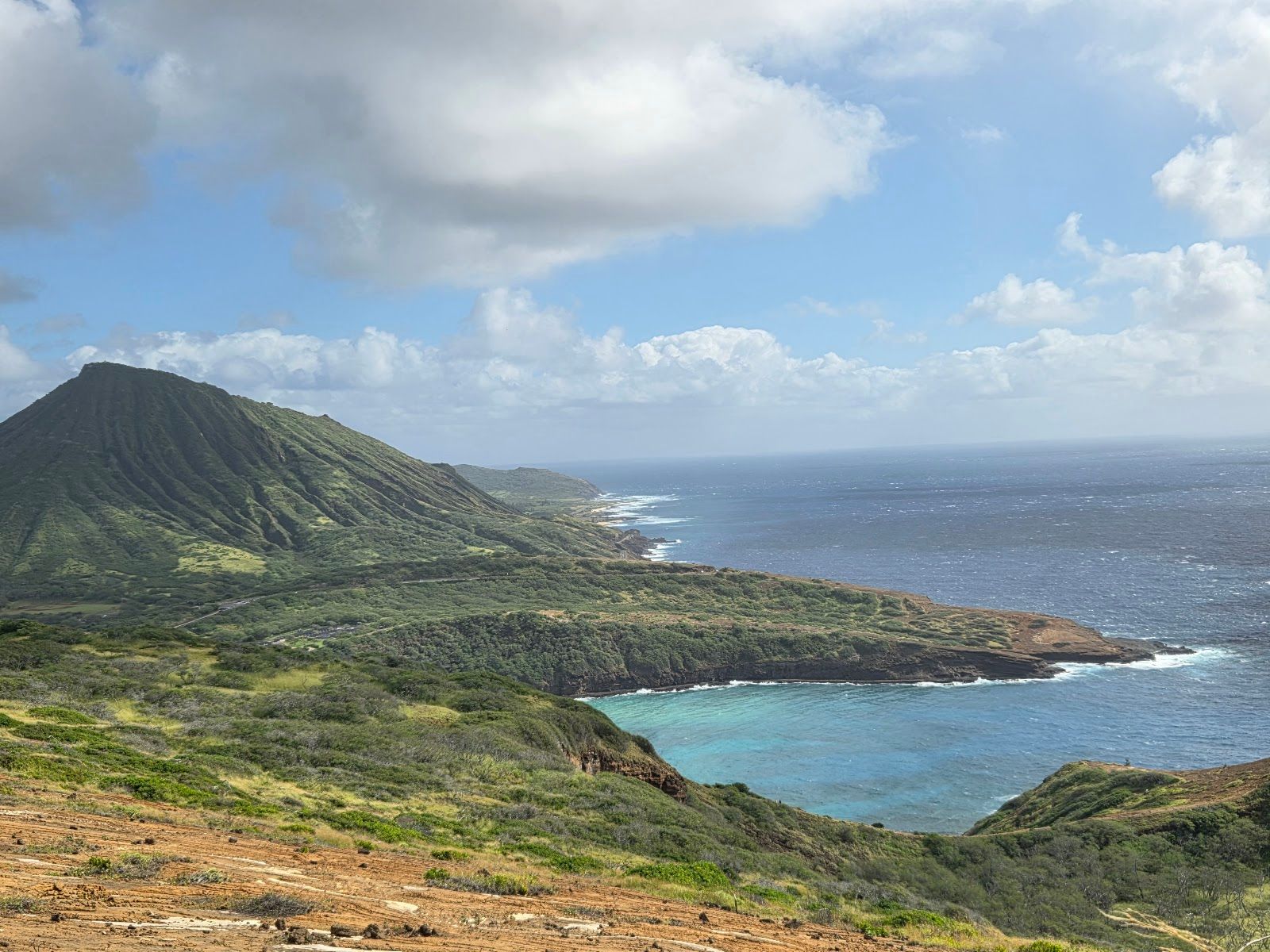
Challenge yourself on the iconic Koko Head Stairs, a strenuous climb up 1,048 railway ties, rewarded with breathtaking panoramic views of Oahu's stunning coastline and volcanic landscape.
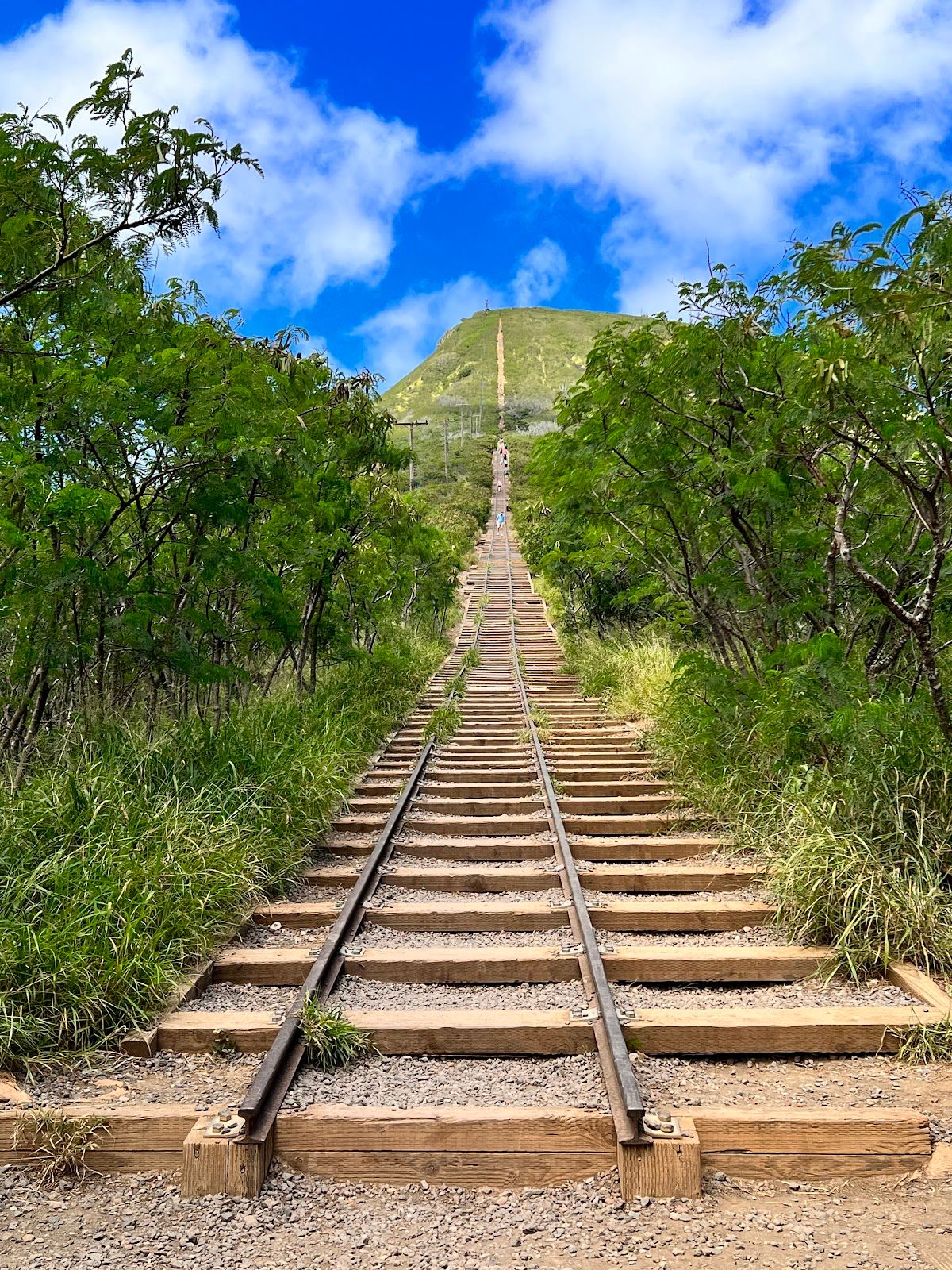
- Challenging 1,048-step hike
- Panoramic 360-degree views
- Historic World War II railway track
- Free parking available
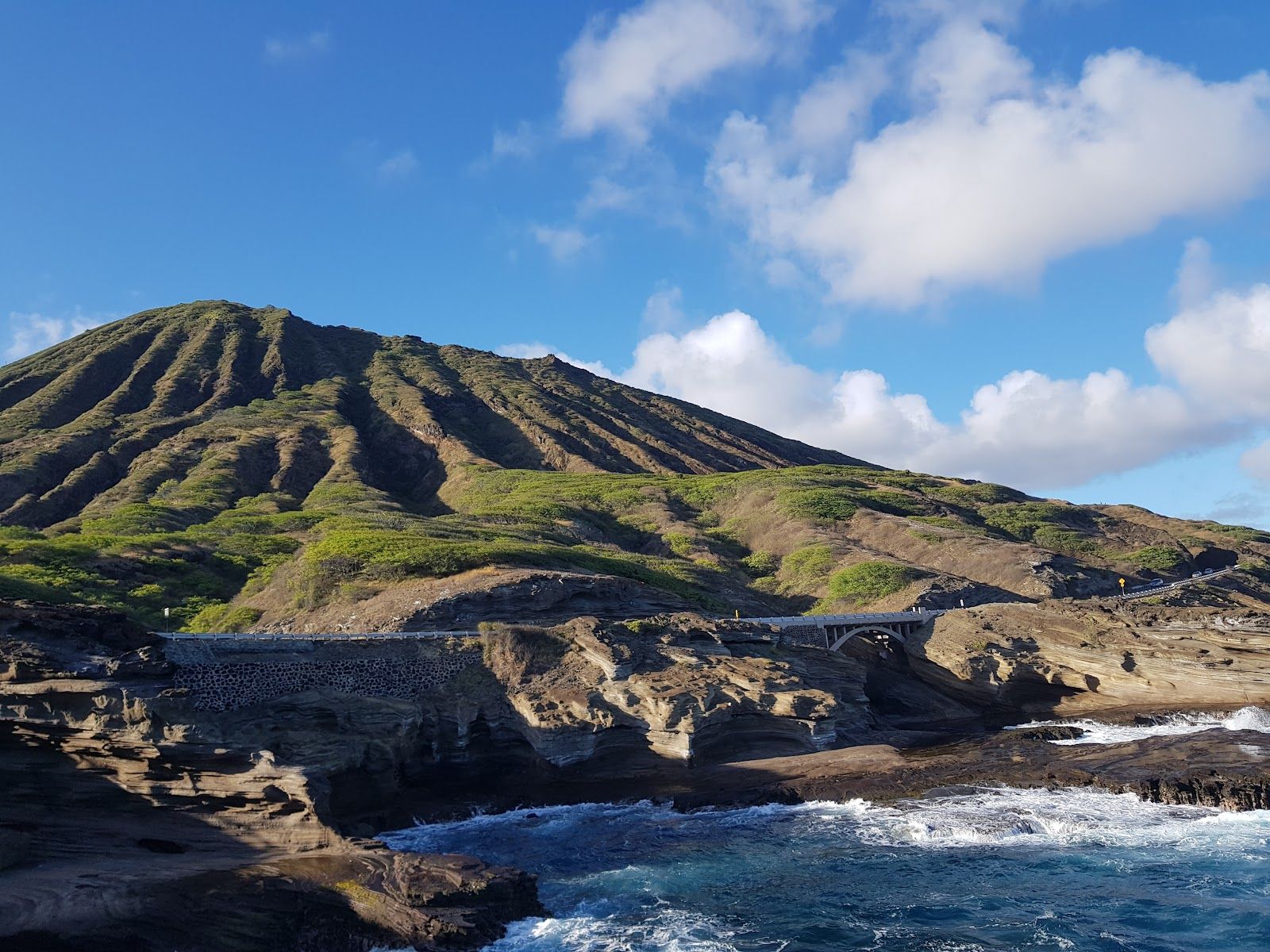
Koko Head District Park is one of East Honolulu’s most distinctive active outings: a public park best known for the Koko Head Stairs, a punishing climb up an old railway grade on the flank of Koko Crater. It fits neatly into a Hawaiʻi Kai or southeastern Oʻahu day, especially for travelers who want a serious workout paired with big coastal views rather than a leisurely stroll. The appeal is simple and memorable: a steep, historic route, a dramatic volcanic setting, and a summit payoff that feels earned.
The Koko Head Stairs are the whole story
Most visitors come here for the climb, not the park’s ball fields or courts. The route rises on 1,048 railroad ties left from a wartime railway alignment, and the grade stays steep enough that it quickly becomes a cardio challenge rather than a casual hike. The path is exposed, uneven, and relentless, with little room to ease into the effort.
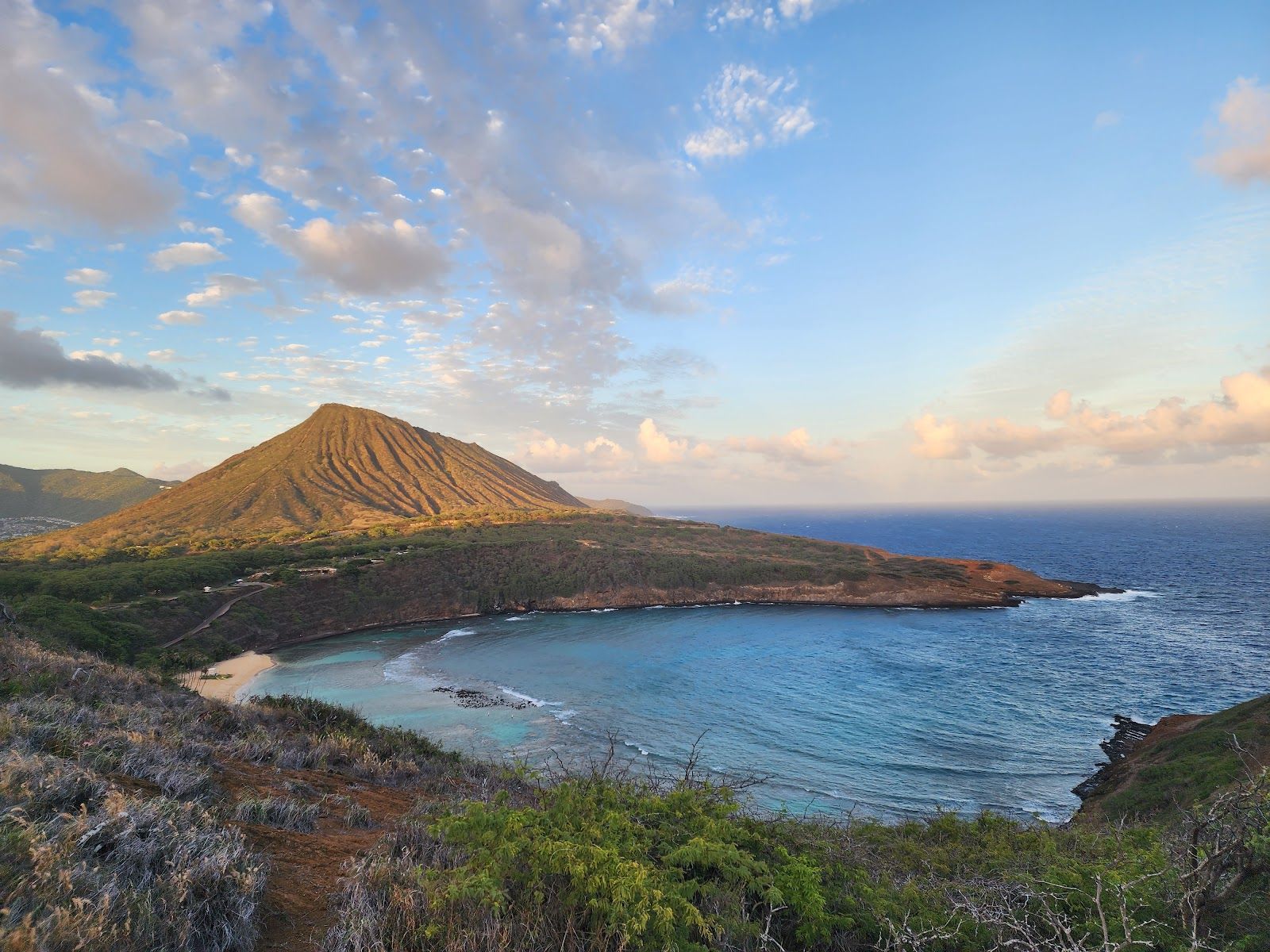
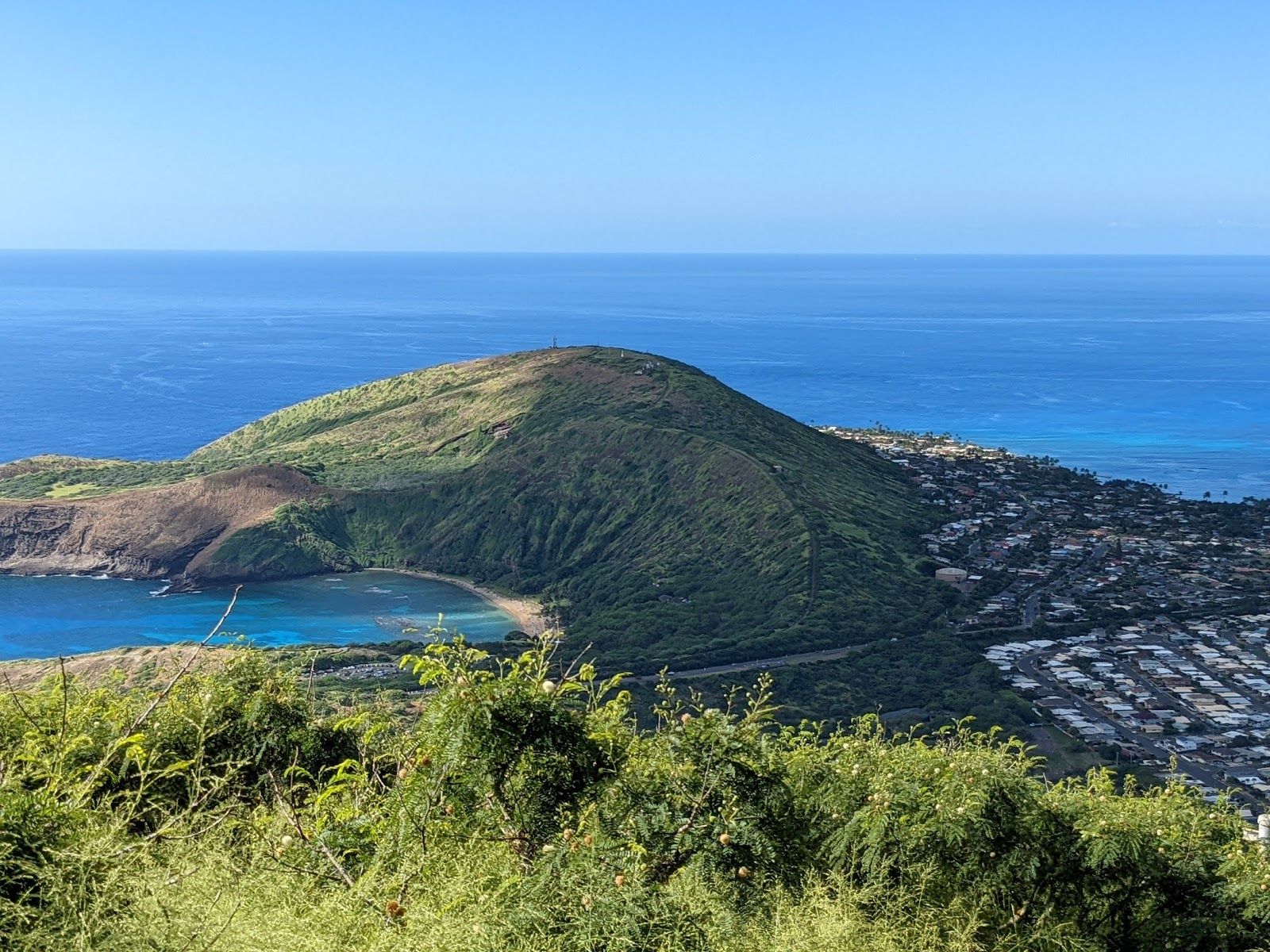
That intensity is exactly why the experience stands out. It is short enough to fit into a half-day, but demanding enough to feel like an event. The summit opens onto wide views over Hawaiʻi Kai, Hanauma Bay, Diamond Head, Waikīkī, the windward side toward Makapuʻu, and, on clear days, distant islands on the horizon. For many travelers, that combination of history, effort, and payoff is the point.
Best at sunrise or late afternoon
This is not a midday hike. The trail has essentially no shade, and the heat can make an already strenuous climb much less pleasant. Early morning is the best choice for cooler conditions and, often, softer light. Late afternoon can also work well if there is enough daylight to descend comfortably before dark.
Koko Head District Park is easy to fold into an East Honolulu itinerary. It pairs naturally with time in Hawaiʻi Kai, a coastal drive along Oʻahu’s southeastern edge, or a visit to nearby viewpoints and beaches on the same side of the island. Because the hike is compact, it leaves room for a fuller day without feeling like it takes over the schedule.
Parking is generally straightforward within the park, and no entry fee or permit is required for the trail. Even so, it is smart to arrive with a little flexibility, especially if the lot is busy or you want a dawn start. The vehicular gate for the parking area is time-controlled, so travelers planning an early or late outing should keep that in mind.
The tradeoffs are real
Koko Head is rewarding, but it is not forgiving. The staircase is steep, the footing is awkward in places, and the climb asks for steady knees, lungs, and balance. Anyone uncomfortable with heights, recovering from injury, or looking for an easy scenic walk should choose a different outing.
The trail is also a poor match for anyone who wants shade, a relaxed pace, or a family-friendly ramble. Water, sun protection, and sensible footwear are essential. Dogs are not allowed on the trail, which matters for travelers hoping to bring a pet along. The summit views are excellent, but they are not a substitute for preparation.
There is also a meaningful cultural layer here. Koko Crater is known in Hawaiian tradition as Kohelepelepe, and the landscape carries more than recreational value. A respectful pace and a little awareness go a long way in a place that is both a fitness destination and part of a larger island story.
Who should put it on the list
Koko Head District Park suits fit, motivated travelers who want a memorable challenge with a high-impact view. It is especially strong for hikers who enjoy steep climbs, photographers chasing sunrise or sunset light, and anyone who likes a clear sense of accomplishment at the end of an outing.
It is less appropriate for casual walkers, travelers with mobility limits, or anyone hoping for an easy scenic stop. For the right visitor, though, it is one of Oʻahu’s most iconic active experiences: direct, demanding, and unmistakably local in character.