
Koko Crater Botanical Garden
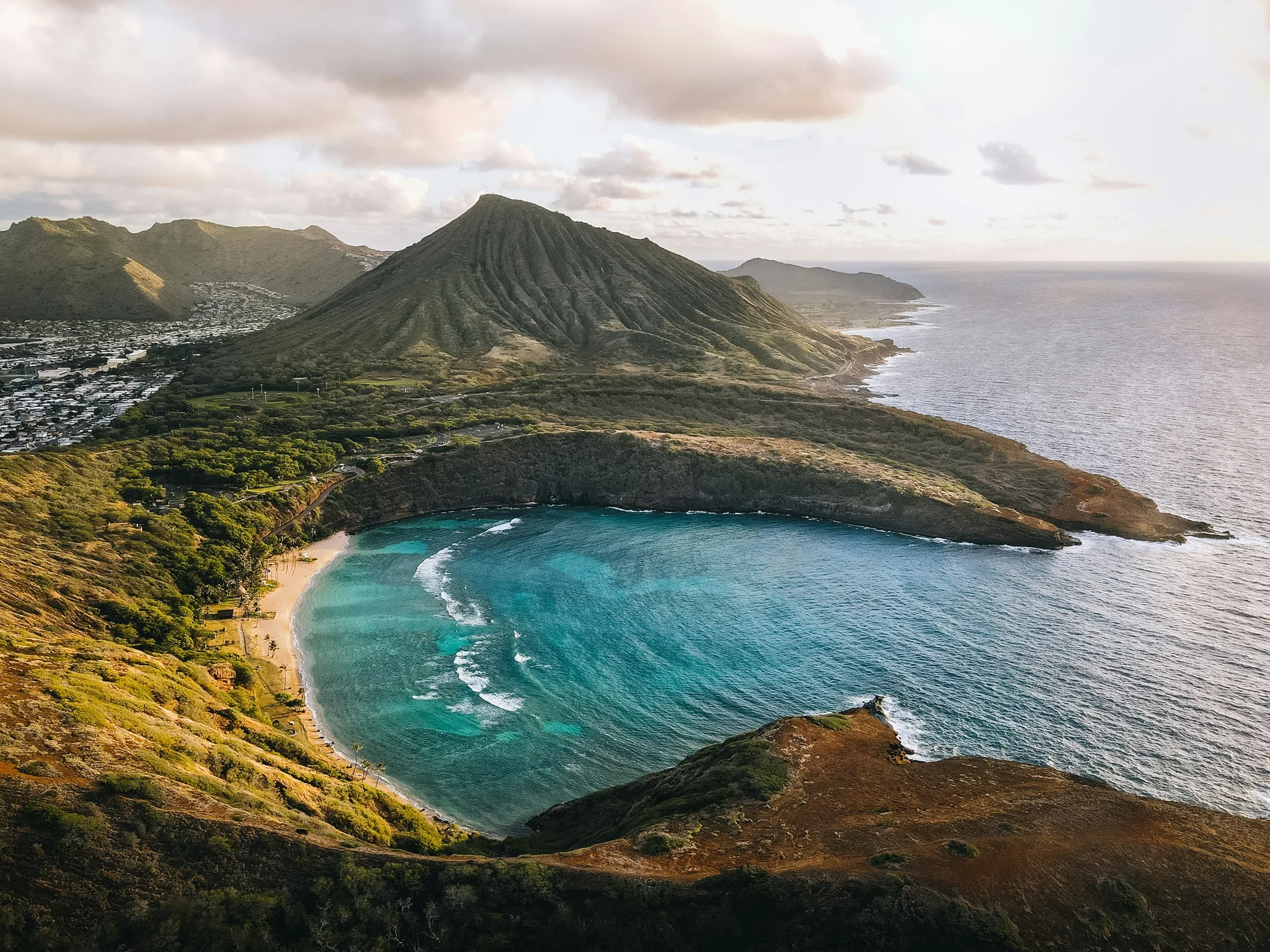
Explore the Koko Crater Botanical Garden, a unique 60-acre dryland sanctuary within an extinct volcanic crater, featuring global arid plants, plumeria groves, and a peaceful 2-mile loop trail on Oʻahu.
- Free admission
- 2-mile dryland plant loop trail
- Located inside Koko Crater basin
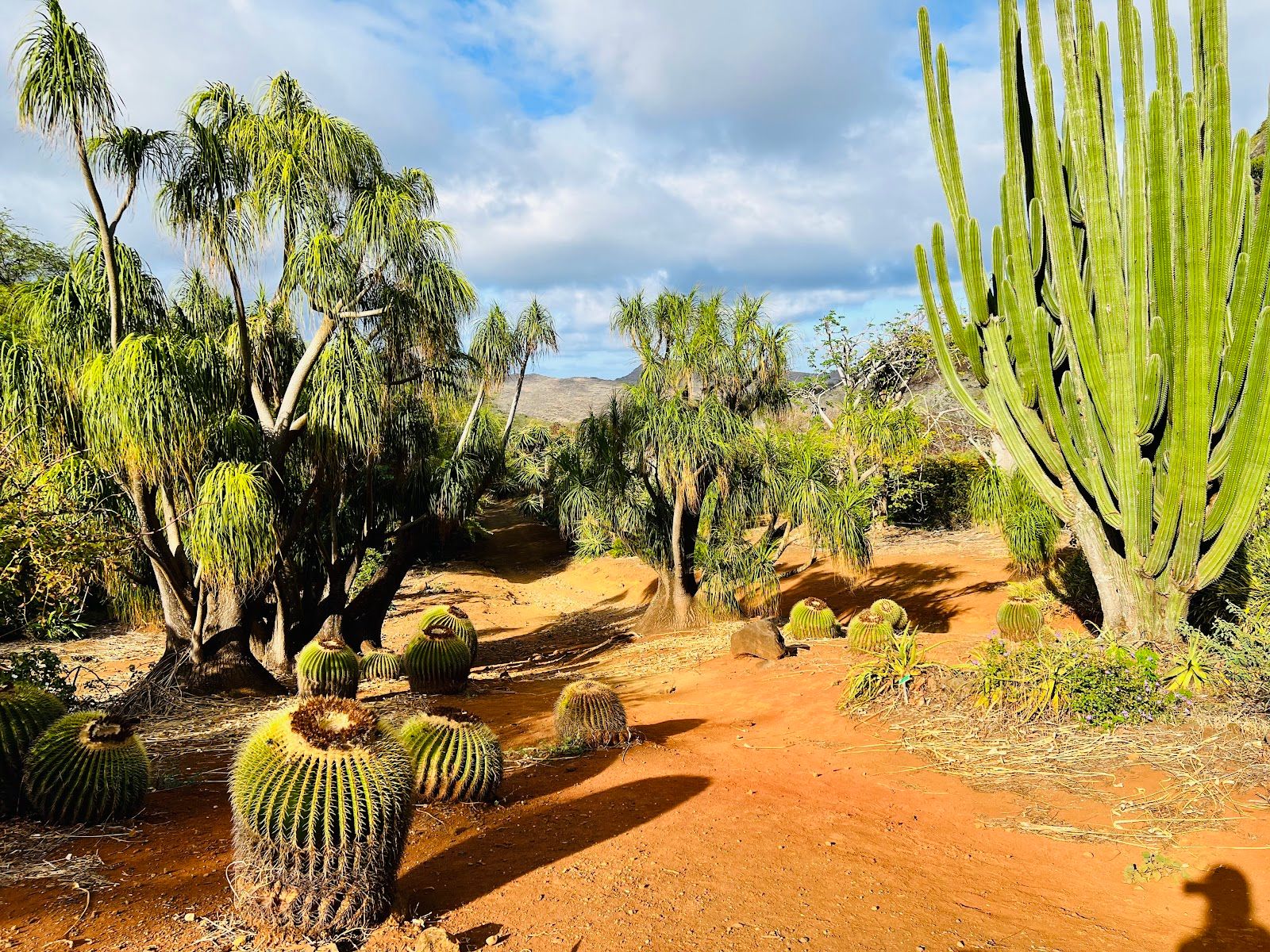
- Features cacti, succulents, plumeria
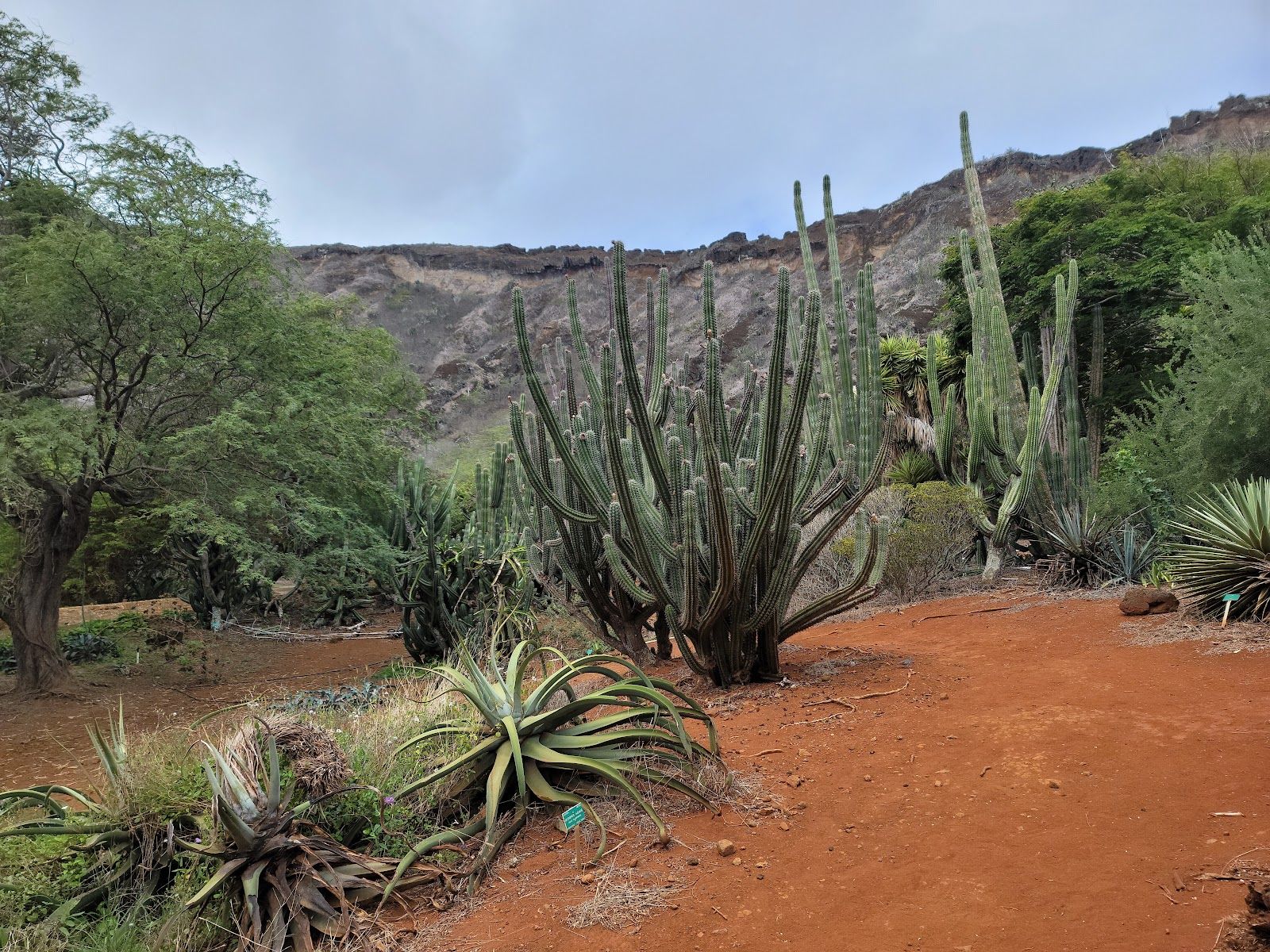
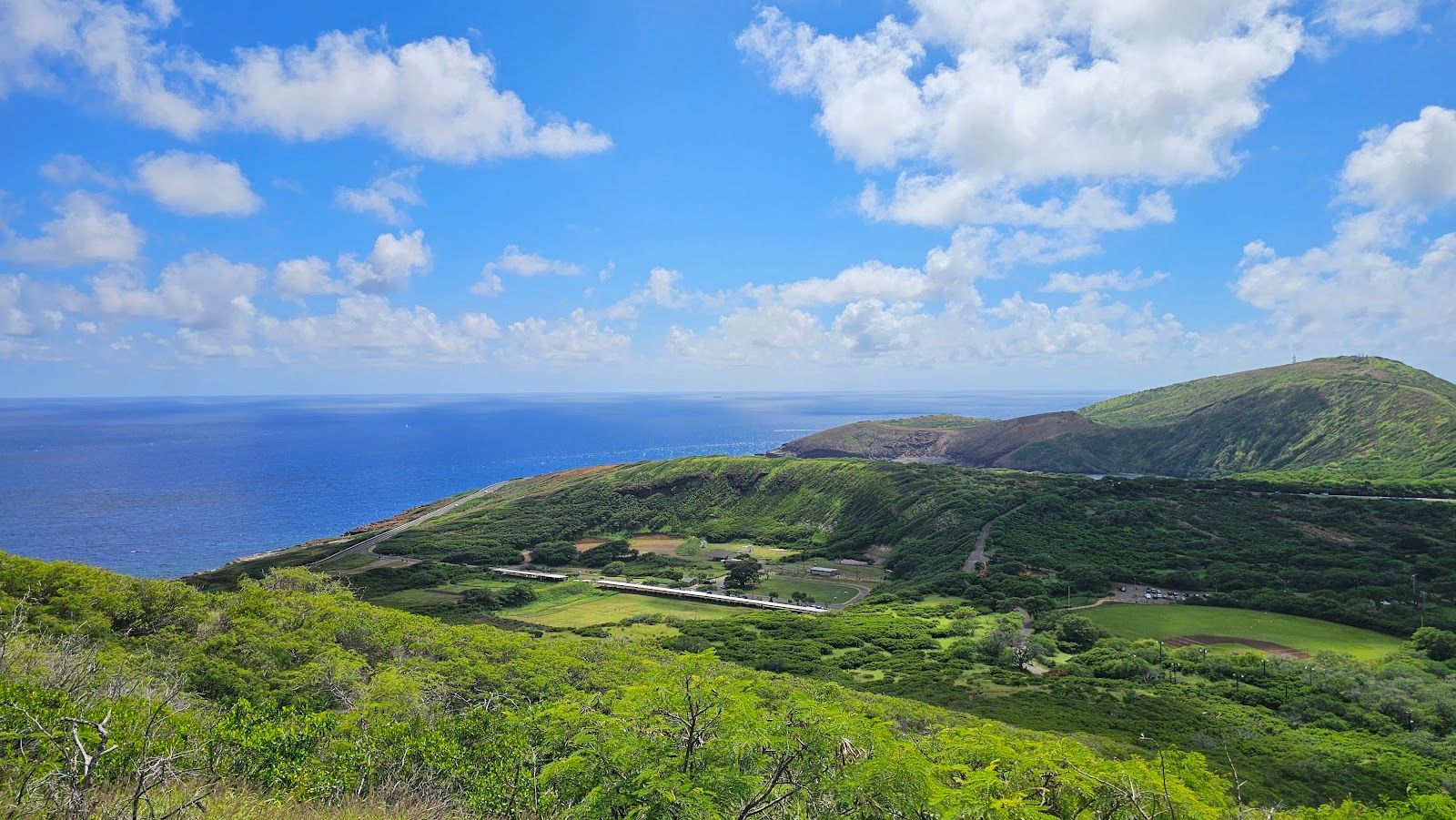
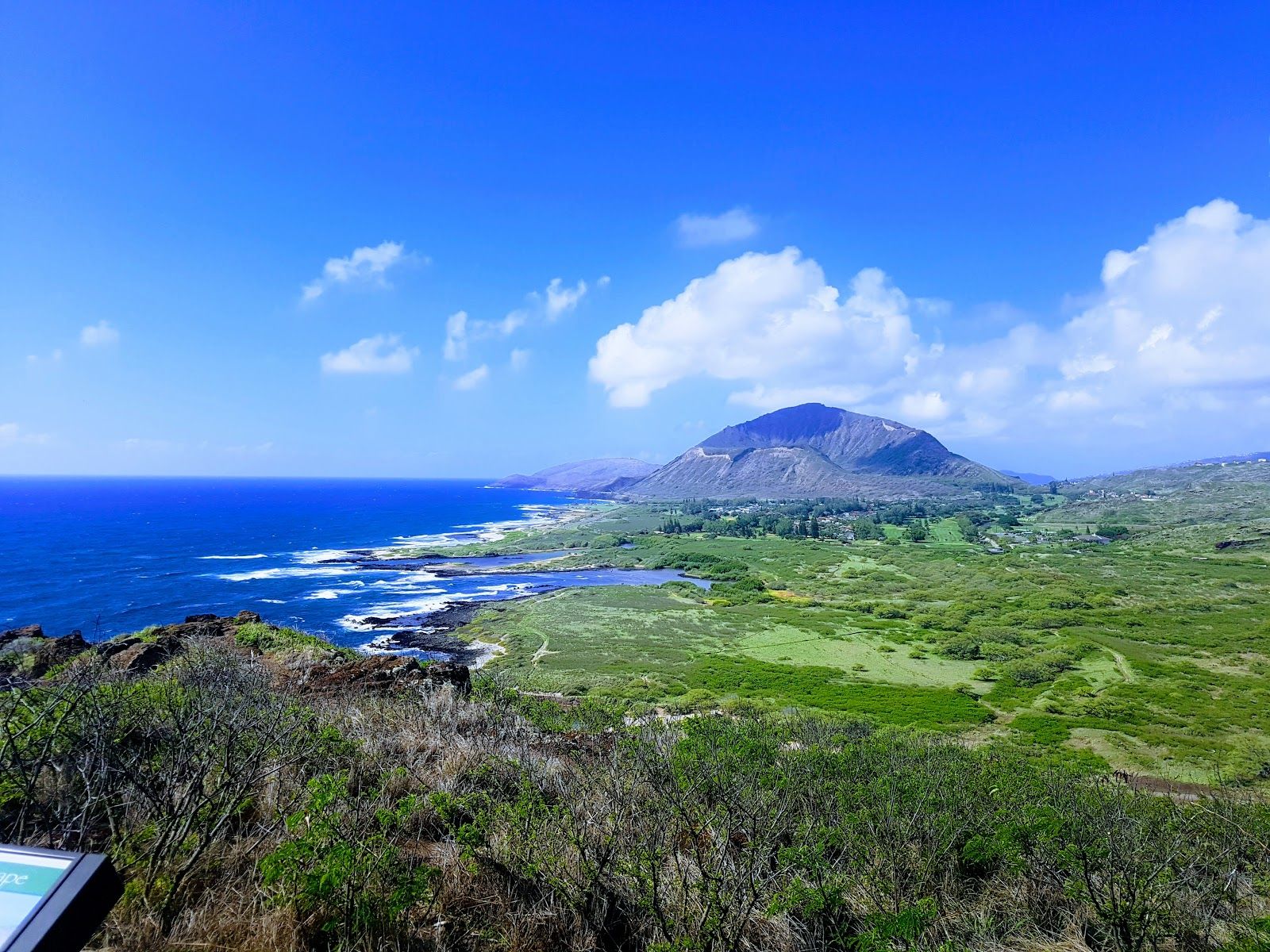
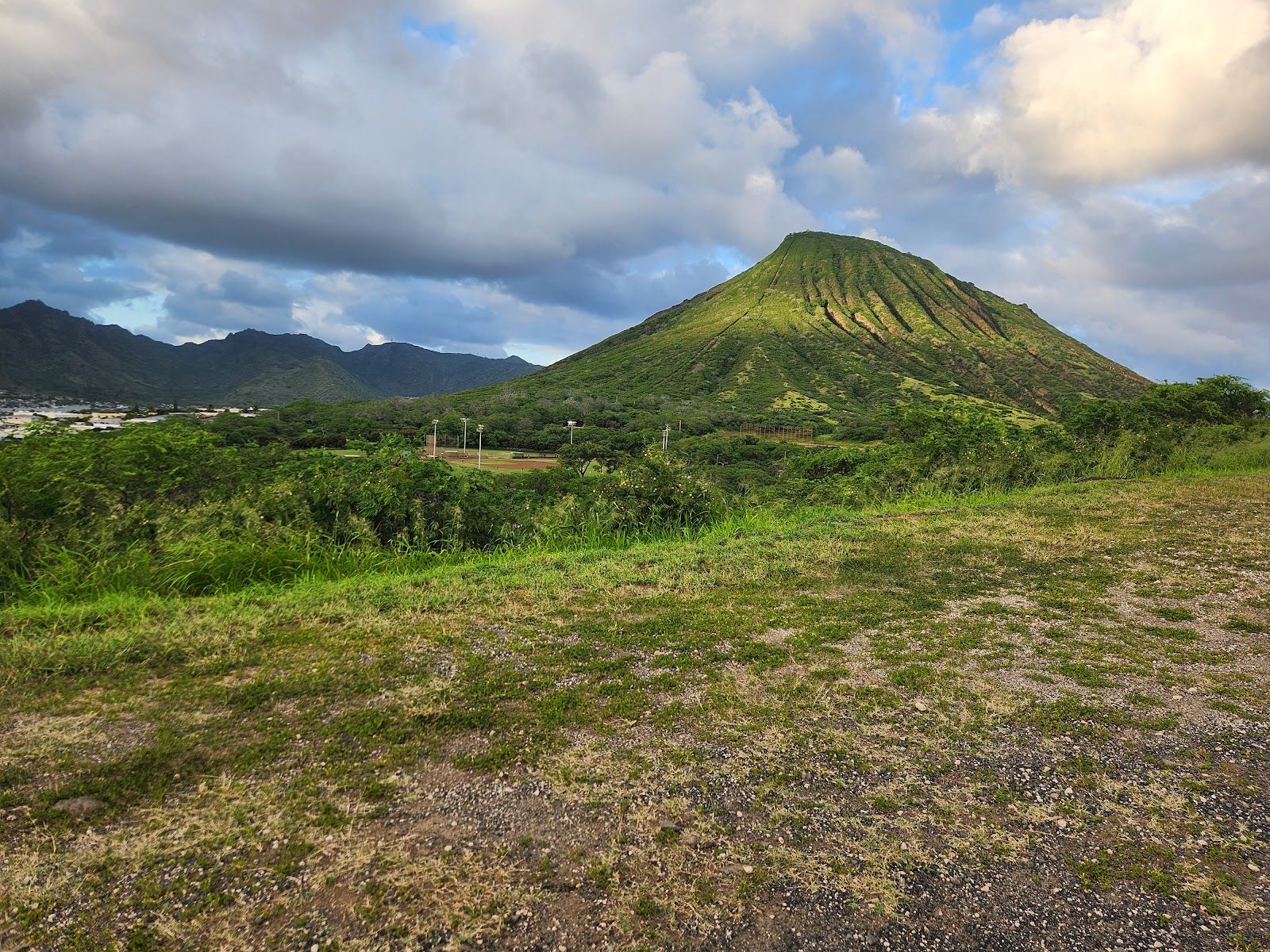
Koko Crater Botanical Garden is one of Oʻahu’s most distinctive low-key outings: a free, self-guided walk inside the basin of an extinct volcanic crater in Hawaiʻi Kai & East Honolulu. Instead of the lush, shaded tropical look many visitors expect from a Hawaiian garden, this one leans dry, open, and sunbaked, with cacti, succulents, plumeria, and other arid plants gathered from Hawaiʻi and around the world. It works especially well as a half-day stop when the goal is something scenic and restorative without a big time commitment or a strenuous summit hike.
A crater walk built around dryland plants
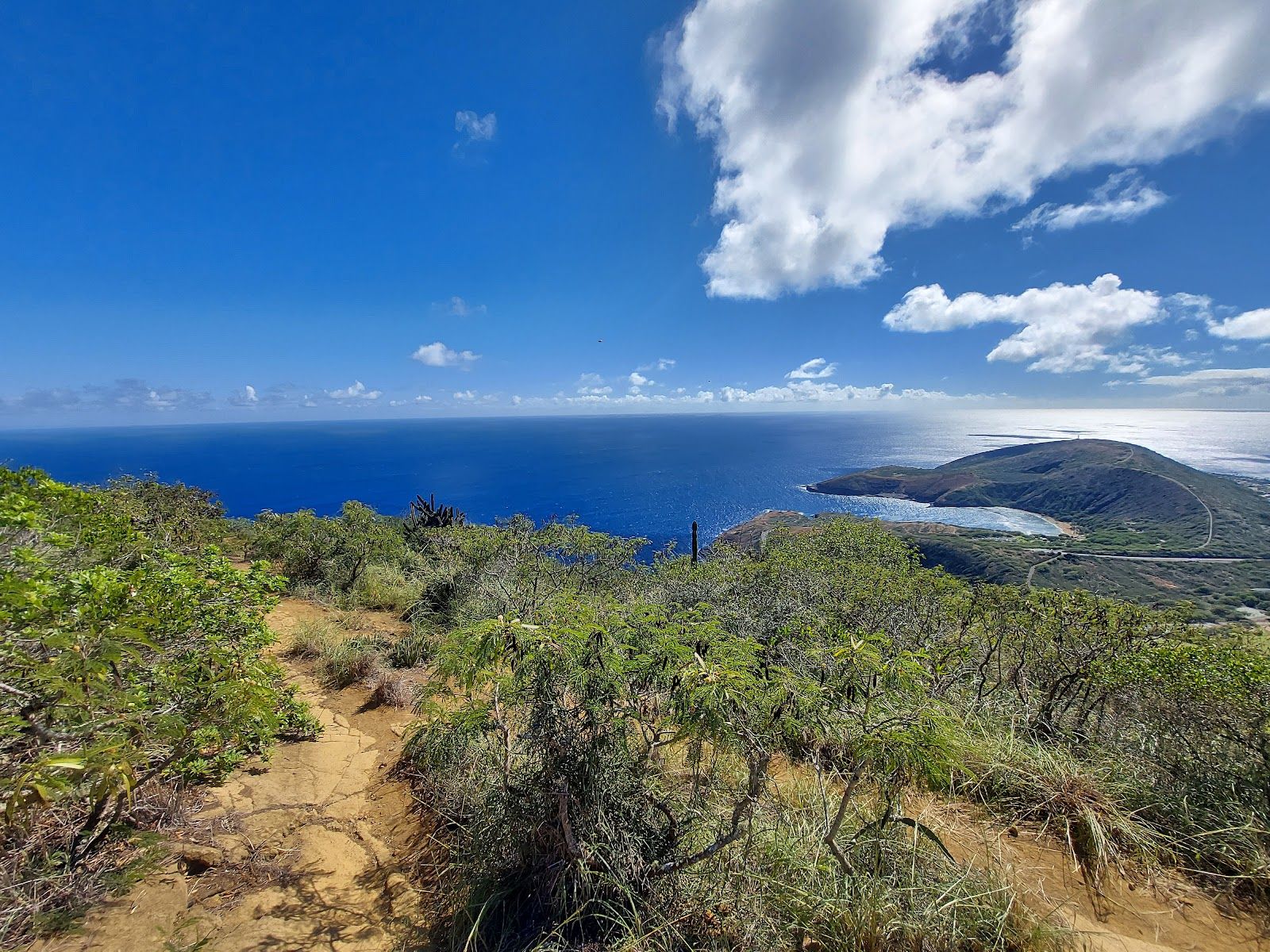
The garden’s character comes from the contrast: a rugged volcanic bowl on the outside, and a carefully tended collection of drought-tolerant plants inside. The main route is a roughly 2-mile loop trail that follows unpaved roads and footpaths through different themed plantings. Expect wide-open views, patches of shade rather than continuous cover, and a walking experience that feels more like a gentle nature ramble than a formal botanical stroll.
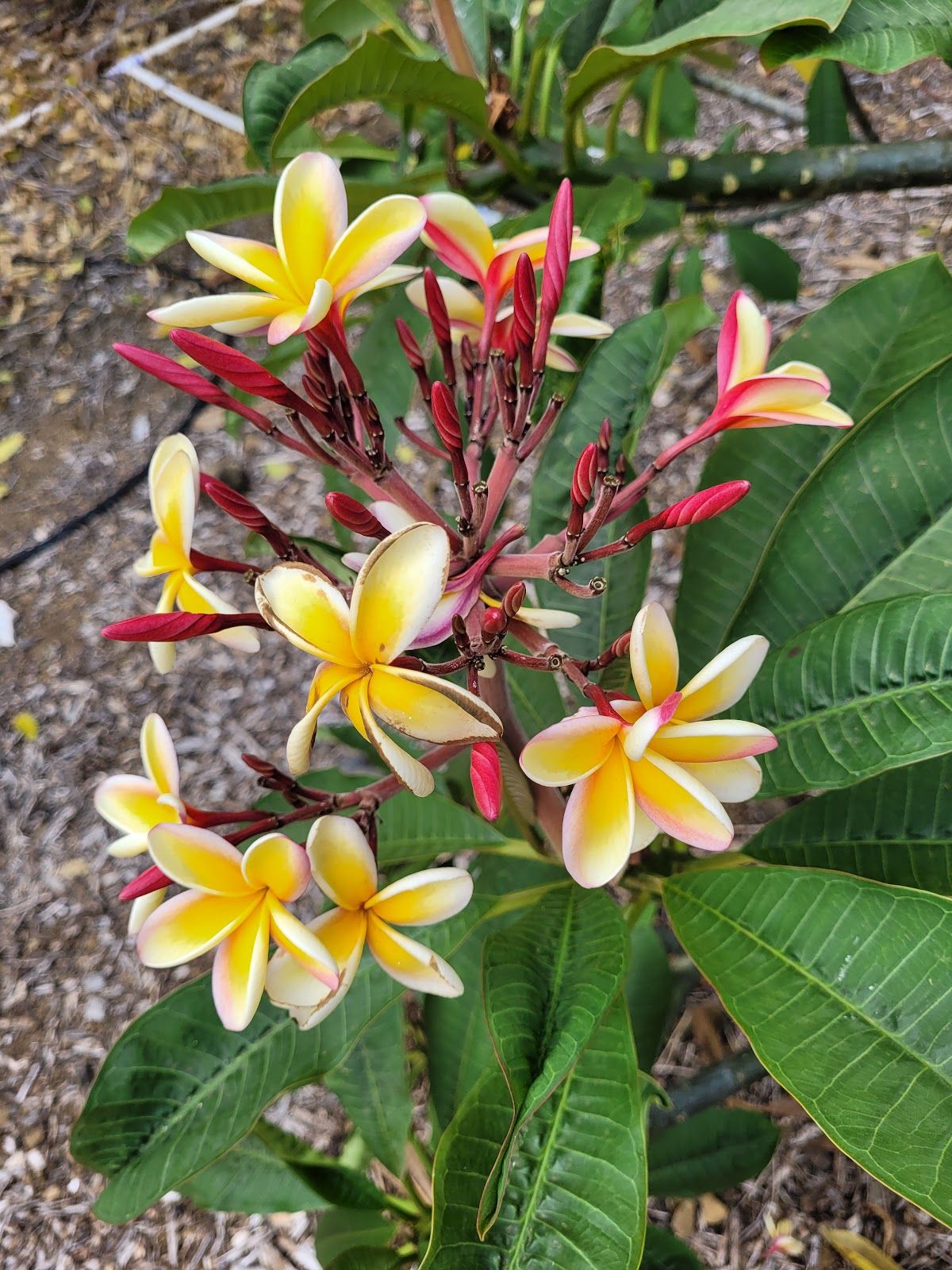
The plumeria grove is one of the standout features, especially when blooms are at their best from late spring into summer. Elsewhere, the garden highlights cactus and succulent collections, dryland palms, and plantings from Africa, Madagascar, and native Hawaiʻi. The overall effect is subtle rather than flashy, but that is part of the appeal: this is a place to notice texture, adaptation, and the quiet drama of plants thriving in an austere landscape.
The loop is generally manageable for most visitors, and it is often a good fit for families. Children tend to do well here because the trail is simple, open, and full of odd shapes and plant forms to point out along the way. It is still worth treating the terrain seriously, though; the surface is uneven, rocky in places, and not stroller-friendly.
How to fit it into a day in Hawaiʻi Kai
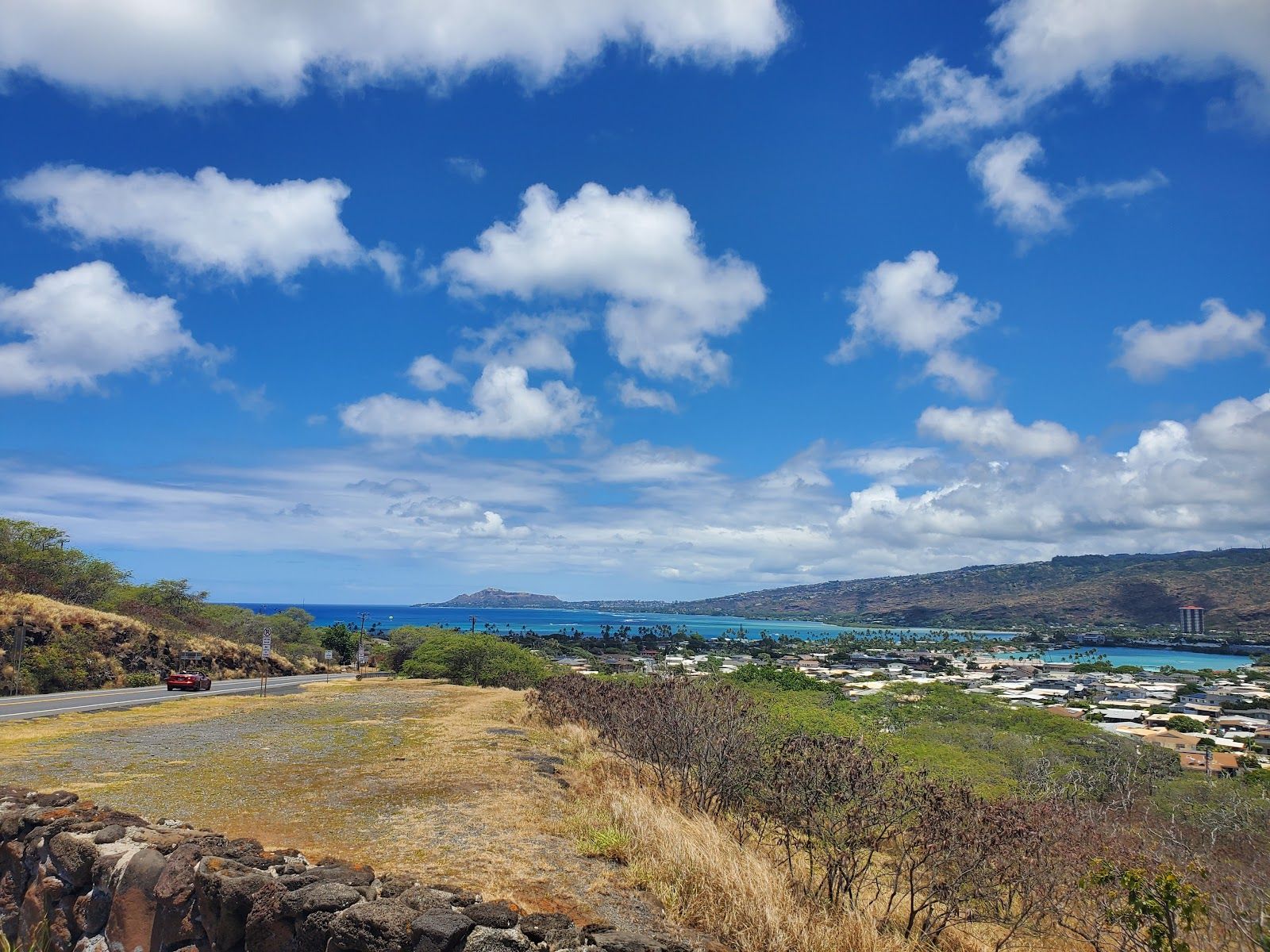
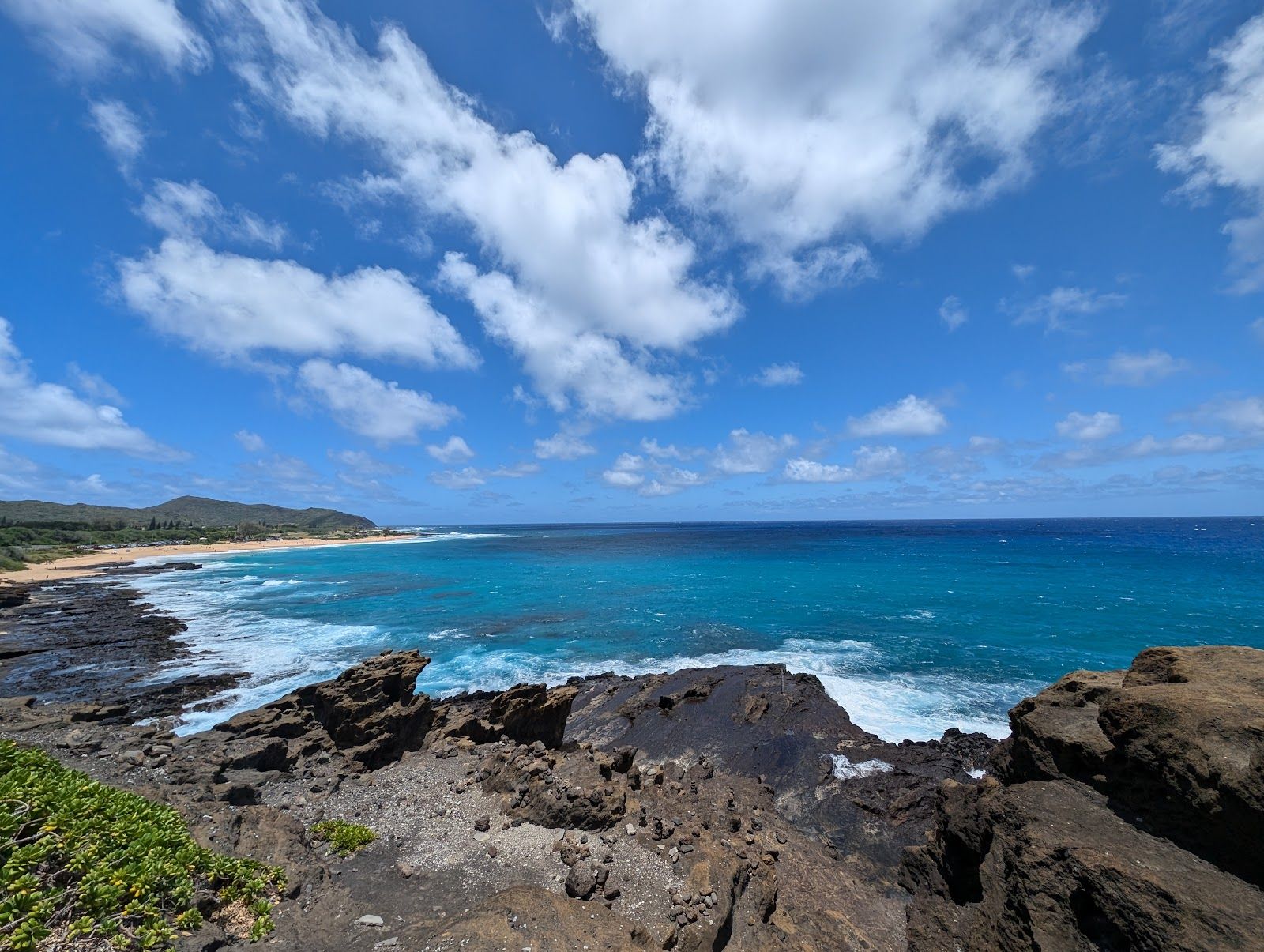
This is an easy place to slot into a day built around the southeast side of the island. It can pair naturally with a coastal drive, a beach stop in Hawaiʻi Kai, or other East Honolulu sightseeing. Because the walk usually takes about 1.5 to 2 hours, it does not require a major schedule shift, yet it adds a sense of place that a quick roadside stop cannot.
Morning is the most comfortable time to visit. The crater can feel hot and dry, and shade is limited for much of the loop. There is no need for reservations for general admission, and that flexibility makes it an especially useful spontaneous outing when weather or energy levels rule out a more ambitious hike.
Parking is straightforward but basic: expect a dirt lot near the entrance, with possible overflow street parking if needed. The garden is also reachable by local bus from Waikiki, which makes it more accessible than many inland nature stops on Oʻahu.
The tradeoff: beautiful, but not lush
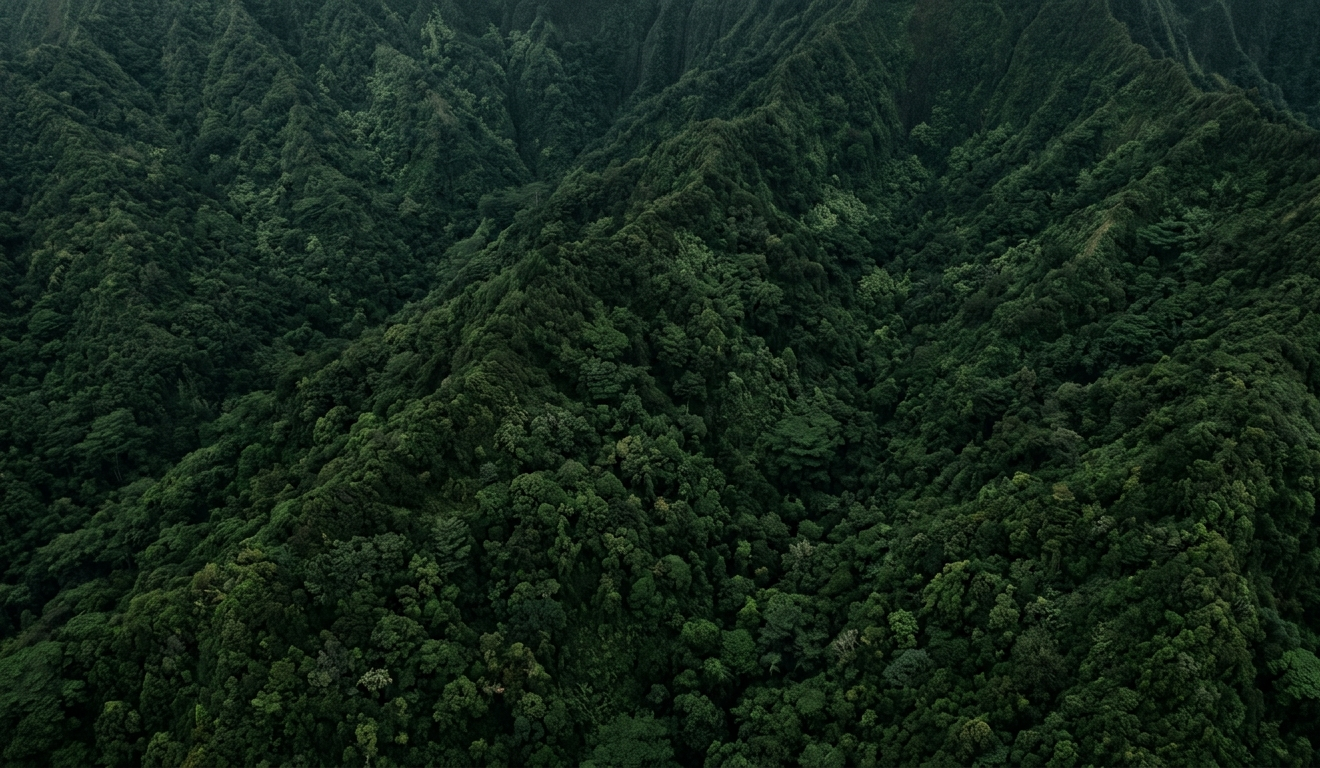
Travelers expecting a classic tropical botanical garden may want to adjust their expectations. Koko Crater Botanical Garden is memorable precisely because it is different from places like Hoʻomaluhia or Waimea Valley. It is drier, less shaded, and more rugged underfoot. That makes it less comfortable for anyone sensitive to heat or uneven ground, and it is not the best choice for strollers or visitors who need smooth, paved access.
Bring water, wear sun protection, and choose proper walking shoes rather than beach sandals. Facilities are limited, so it pays to arrive prepared. Dogs, bicycles, and motorized vehicles are not allowed on the trails, and visitors should stay respectful of the land and the plant collections. The crater also carries deep cultural meaning under its traditional name, Kohelepelepe, which adds another layer of significance to an already unusual setting.
For travelers who want a calm, free, and visually distinctive outdoor stop on Oʻahu, Koko Crater Botanical Garden delivers exactly that.