
What it is
Keawaʻula Beach, also widely known as Yokohama Bay, is a pristine, expansive sandy beach located at the westernmost tip of Oʻahu, within Kaʻena Point State Park. Its Hawaiian name, Keawaʻula, translates to "red harbor," a reference to the abundance of squid that once turned the bay's waters red during reproduction. The alternative name, Yokohama Bay, stems from Japanese fishermen who frequented the beach in the early 1900s, with Yokohama being the port city from which many Japanese immigrants sailed to Hawaiʻi.
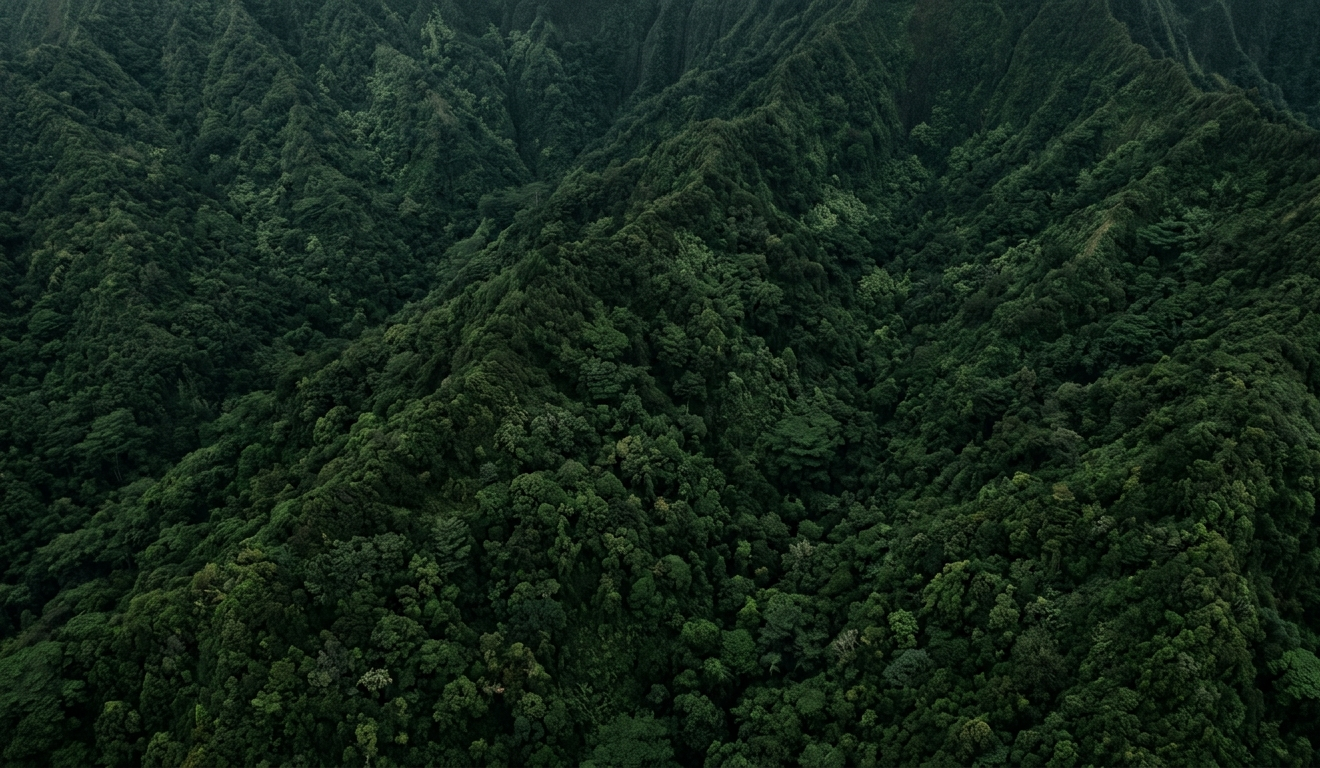
The beach is characterized by its white sand, clear turquoise waters, and a dramatic backdrop of the Waiʻanae Mountain Range. It is situated in a remote and undeveloped area, offering a more secluded experience compared to other Oʻahu beaches. Keawaʻula Beach is the last sandy beach on the west shore before the paved road ends and the trail to Kaʻena Point Natural Area Reserve begins.
Visitor experience
Travelers choose Keawaʻula Beach for its raw beauty, serenity, and uncrowded atmosphere. It's an ideal destination for those seeking a tranquil escape and an opportunity to connect with Oʻahu's natural landscapes.
Activities at Keawaʻula Beach include:
- Relaxing and Sunbathing: The long, wide sandy shoreline provides ample space for privacy and enjoying the ocean breeze.
- Beachcombing: The extensive sandy beach is suitable for leisurely strolls.
- Sunset Viewing: Being on the west side of Oʻahu, Keawaʻula Beach offers majestic sunset views as the sun dips into the Pacific Ocean.
- Surfing and Bodyboarding: Especially during winter months (November to February), the beach experiences high surf, attracting experienced surfers and bodyboarders. The bay offers both left and right-hand breaks over shallow coral, suitable for advanced surfers.
- Swimming: Swimming is generally recommended only during calm summer conditions due to powerful waves and steep shore breaks that can be dangerous.
- Snorkeling: While waves can be rough, when conditions permit, the clear waters around clusters of large rocks about 30 feet from shore create an ideal habitat for fish, offering snorkeling opportunities with potential sightings of bottlenose dolphins and Hawaiian green sea turtles. The Pukano Point area (south end of the beach) is noted for its shallow exploration with lava and rock formations.
- Hiking to Kaʻena Point: The beach serves as the trailhead for the 2.5-mile (one-way) hike along the volcanic coast to Kaʻena Point Natural Area Reserve, Oʻahu's westernmost tip. This trail offers continuous mountain and ocean views and opportunities to observe marine mammals, seabirds, and native coastal plants.
Logistics
- Location: Keawaʻula Beach is located on the Waiʻanae Coast of Oʻahu, at the island's northwestern tip. It's the last beach accessible by paved road on the west side.
- Access and Driving: The only way to reach Keawaʻula Beach is by car. From Waikīkī, take the H-1 highway heading north, which eventually turns into Farrington Highway (Hwy 93). Continue on Farrington Highway until the road ends at the beach. The drive from Waikīkī can take 1.5 to 2+ hours, depending on traffic.
- Public Transportation: The city bus typically does not go past Makaha Beach, meaning a rental car is necessary for visitors to reach Keawaʻula Beach.
- Parking: Ample roadside parking is available at the beach.
- Permits: No specific permits are mentioned for beach access.
- Facilities: The beach has limited amenities, primarily a natural setting. Restrooms and showers are available across the road from the beach.
- Timing: Visiting in the early morning or late afternoon is recommended due to the heat and lack of shade. Summer generally offers calmer swimming conditions.
- Duration: Keawaʻula Beach can be a half-day or anchor activity, especially if combined with the hike to Kaʻena Point or if visitors plan to spend significant time relaxing, surfing, or enjoying the sunset.
- Food: There are no stores or restaurants directly at the beach. Visitors should bring their own food, snacks, and plenty of water. The closest establishments are in Waiʻanae.
Safety and cautions
- Ocean Conditions: Keawaʻula Beach is known for its powerful waves, steep shore break, and strong currents, especially in winter. Swimming is generally only safe during calm summer conditions and is best suited for experienced swimmers. Always check with lifeguards before entering the water. HIOCEANSAFETY.COM is a recommended resource for monitoring current surf, wind, and public safety alerts.
- Lifeguards: Lifeguard services are available at Keawaʻula Beach.
- Shallow Coral/Reef: For surfers, the waves break over very shallow coral heads and reef, posing a hazard.
- Sun Exposure: There is no natural shade at Yokohama Beach. Visitors should pack an umbrella, hats, and ample sunscreen, as the West Side can get very hot.
- Theft: Due to the remote location on the Leeward Coast, there are concerns about car break-ins. Visitors should never leave personal belongings unattended on the beach or visible in their cars.
- Kaʻena Point Trail: If hiking to Kaʻena Point, be prepared for sun and wind exposure and bring plenty of water. Stay on established paths and maintain distance from marine mammals (50 yards from dolphins, 50 feet from monk seals) and nesting seabirds. No dogs or other animals are allowed in the Kaʻena Point State Park and Natural Area Reserve.
- Closures: Gates to Keawaʻula Beach typically close at 7 PM. Road construction has been noted to cause disruptions or closures, with one instance of the Keawaʻula Section being closed until April 2026. Visitors should verify current access conditions, especially if planning to visit soon.
Editorial take
Keawaʻula Beach is a must-see for travelers looking to experience Oʻahu's wild, undeveloped coastline and escape the crowds of more popular tourist destinations. It's an excellent choice for those who appreciate natural beauty, seek a tranquil beach experience, or are avid surfers (especially in winter). It's also a prime starting point for the scenic hike to Kaʻena Point, making it appealing to hikers and wildlife enthusiasts.
Travelers who should skip it include those primarily seeking calm, reef-protected swimming conditions suitable for young children or novice swimmers, as the ocean here can be unpredictable and dangerous. Also, visitors without a rental car will find it difficult to access.
Do not confuse Keawaʻula Beach (Yokohama Bay) with other beaches on Oʻahu, particularly those on the more populated North Shore or South Shore. It is distinctly part of the remote Kaʻena Point State Park on the Waiʻanae (Leeward) Coast, marking the end of the paved road on this side of the island. While it is possible to snorkel here, it's not the primary "snorkel destination" that some may associate with other Oʻahu spots known for consistently calm, clear waters and abundant, easily accessible marine life (e.g., Hanauma Bay).
Source notes
- Best of Oahu: Yokohama Bay (Keawaula Beach) on the West Side. https://www.bestofoahu.com/oahu-beaches/west-side/yokohama-bay/
- Hawaii Aloha Travel: West Oahu's Keawaʻula Beach (Yokohama Beach). https://www.hawaii-aloha.com/blog/oahu-travel/yokohama-beach/
- Hawaiian Planner: Keawaula Beach (Yokohama Bay) in Oahu. https://hawaiianplanner.com/keawaula-beach-yokohama-bay-oahu/
- Wanderlog: Keawaula Beach, Haleiwa, HI - Reviews, Ratings, Tips and Why You Should Go. https://wanderlog.com/us/hi/haleiwa/keawaula-beach-p/keawaula-beach
- Citrus Reef: Best Snorkeling In Oahu: Top 10 Spots. https://citrusreef.com/best-snorkeling-in-oahu/
- Go Hawaii: Keawaʻula Beach (Yokohama Beach). https://www.goHawaii.com/oahu/regions-neighborhoods/leeward-coast/keawaula-beach
- Department of Land and Natural Resources - Hawaii.gov: Ka'ena Point State Park. http://dlnr.hawaii.gov/dsp/parks/oahu/kaena-point-state-park/
- To-Hawaii.com: Yokohama Bay (Keawa'ula Beach), Oahu. https://www.to-hawaii.com/oahu/beaches/yokohamabay.html