
What it is
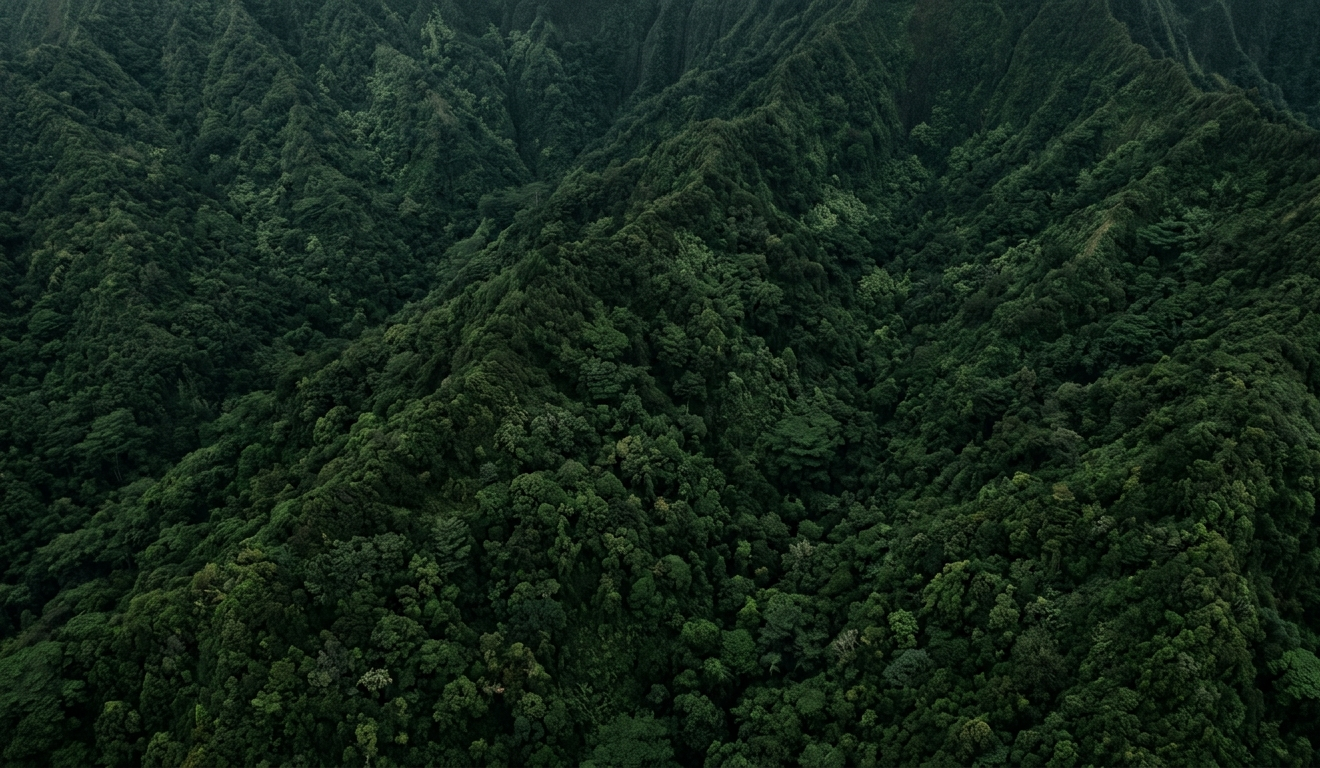
Kahana Bay Beach Park is a picturesque crescent-shaped beach located on the windward (northeastern) coast of Oahu, Hawaii. It is part of the larger Ahupuaʻa ʻO Kahana State Park, a nearly 5,300-acre natural reserve that extends from the Koʻolau Mountains down to the bay. The park is unique as it preserves an ancient Hawaiian ahupuaʻa, a traditional land division system encompassing lands from the mountains to the sea. The bay is known for its serene beauty, framed by lush vegetation and the majestic Koʻolau Mountains.
Visitor experience
Kahana Bay Beach Park offers a laid-back and often secluded experience, particularly on weekdays. It's chosen by travelers seeking tranquility, scenic beauty, and a less crowded alternative to more popular Oahu beaches. The protected cove ensures generally calm waters, making it suitable for families with young children for wading and gentle play.
Visitors can enjoy various activities such as swimming (with caution due to murky water at times), fishing, kayaking, paddleboarding, and relaxing under the shade of ironwood trees. The adjacent Kahana River is also good for kayaking and paddleboarding. For those interested in history, the ancient Huilua Fishpond, a National Historic Landmark and one of the few remaining intact Hawaiian fishponds on Oahu, can be explored, especially at low tide.
The wider Ahupuaʻa ʻO Kahana State Park offers hiking opportunities, including the Nakoa Trail (a 2.5-mile loop through a tropical rainforest) and the Kapaʻeleʻele Koʻa and Keaniani Lookout Trail (a 1-mile loop with cultural sites and bay views). The park's "living park" concept sometimes includes cultural programs where native families share traditional customs.
Logistics
- Area and Access: Kahana Bay Beach Park is located on Oahu's windward coast, north of Ka'a'awa. It is situated directly on Kamehameha Highway (HI-83).
- Getting There: From Waikiki, expect an approximately 45-minute to one-hour drive via HI-61 (Pali Highway) and HI-83 (Kamehameha Highway). Public transportation is available via TheBus Route 55 from Ala Moana Center or Kalihi Transit Center, taking about 80 minutes.
- Parking: Free public parking is available in multiple dirt lots directly off Kamehameha Highway, steps from the beach. Additional parking can be found along the roadside or near the boat ramp.
- Permits: No permits are required for day use of the beach park or hiking trails. However, camping is allowed by permit only and requires reservations, which can be made online through the state's Explore Outdoor Hawaiʻi portal 30 days in advance.
- Facilities: The park provides basic amenities, including restrooms (located primarily at the north end of the beach and across the highway), outdoor showers, picnic tables, and drinking water. A boat ramp is also available.
- Timing: The park is a year-round destination. Mornings are ideal for calm paddling and a more serene environment with fewer people. Weekdays are less crowded than weekends, when local families often gather. Summer (May to October) generally offers warmer, drier weather suitable for beach activities. Standard beach park hours are typically 7 AM to 7 PM.
- Likely Duration: Kahana Bay can be a quick stop for a scenic view and a stroll, a half-day activity for picnicking and light water play, or an anchor activity for those combining beach time with hiking in Ahupuaʻa ʻO Kahana State Park or camping.
Safety and cautions
- Ocean Conditions: While the bay's protected nature often leads to calm waters, there are no lifeguard services. Visitors should always swim within their abilities and be aware of ocean conditions. Avoid swimming if the ocean is choppy or currents are strong.
- Water Quality: The water in Kahana Bay can frequently have a reddish tint and appear murky due to runoff from the Kahana Stream carrying clay soil from the valley, especially after rain. This is generally not a water quality issue but affects visibility. Snorkeling conditions are best during summer when the water is clearer, and after dry spells. The Hawaii Department of Health recommends staying out of the ocean for at least 72 hours after heavy rain due to potential contaminated runoff.
- Bottom Conditions: The nearshore ocean bottom can be rocky.
- Hiking: Trails within Ahupuaʻa ʻO Kahana State Park can be very slippery and muddy, especially after rain. Flash floods are a danger on trails like the Nakoa Trail if rain is forecast. Appropriate footwear is recommended.
- Valuables: Do not leave valuables unattended in cars, as break-ins are common on Oahu.
- Sun Protection: Bring sunblock, a hat, and stay hydrated, as there are no food vendors at the park. Use reef-safe sunscreen.
- Cultural Sensitivity: The park is an ahupuaʻa, a culturally significant area. Visitors are encouraged to practice "Leave No Trace" principles to preserve its natural beauty.
Editorial take
Kahana Bay Beach Park is ideal for travelers seeking a more authentic, less touristy Hawaiian beach experience away from the bustling crowds of Waikiki. It particularly suits families with small children due to its calm, shallow waters and ample shade for picnics. It's also a good fit for those who enjoy combining beach relaxation with light hiking, kayaking, or cultural exploration of an ancient fishpond. Visitors interested in photography will appreciate the dramatic backdrop of the Koʻolau Mountains.
Travelers prioritizing clear, blue swimming water for extensive snorkeling or long, uninterrupted swims might be disappointed by the frequently murky water. Those looking for extensive amenities, concession stands, or lifeguard supervision should consider other beaches. It's also not the best choice for travelers seeking large waves for surfing, though winter can offer small waves suitable for beginners.
Do not confuse Kahana Bay Beach Park with other state parks or botanical gardens that may have "park" in their name but offer different experiences. It's distinct from Ahupuaʻa ʻO Kahana State Park primarily in focus; the beach park is the coastal portion, while the state park encompasses the broader mountain-to-sea ahupuaʻa, including hiking trails and cultural sites. The nearby Crouching Lion hike, while offering stunning views of Kahana Bay, is an unsanctioned and potentially dangerous trail.
Source notes
- HawaiiActivities.com: https://vertexaisearch.cloud.google.com/grounding-api-redirect/AUZIYQHUYXOLvHgbdR5gAfP9Y0kSbvUwF1PZgb2N137utNoTMLGg-0B3Nxd1If7gOFA-SLX671D2LUG6iRb4VPoUEeh7hgJJtqOdg1Zuzq0a1Vm6QZ5Hagy0kAgQoExliTuyjf7kccPc7JBkLQ403iKe-eGLHQJr7wJm61w03wnTueY=
- Hawaii-Guide.com: https://vertexaisearch.cloud.google.com/grounding-api-redirect/AUZIYQFhBBxwJ1skk1D9AQrNtXudgTm0hdU3OKbUsARgY6nd2FI8d2vMJrRwyd0ruB2YuMyQUW8RN_gY3TjwCv1gJSGhI78YnuPBrSnYv_uCGULhhunyVMOR-7GmK0fPWYajis0RGLb4pDOWNVVfXUZNX_IZ0E5Xry8UtmLLGQ==
- Little Bird Photography: https://vertexaisearch.cloud.google.com/grounding-api-redirect/AUZIYQFewn6x4pCGiYgFC800arF8Ua1qCbgrb6WEWbeElbwcz1QeXv7r8SCMoVvnSiCx0eLehsFaxwXLs4Qlm3tC_DvyTvjs7fp0_dhbXY4ufyuA9eEPNY1LMYidncqNyHLie7D0cyPGpXtZ_AdO8ge-2Ibosode4B76lw==
- Viator: https://vertexaisearch.cloud.google.com/grounding-api-redirect/AUZIYQHudo4KdEPwsObEeZKb8U8hqpYjr9NQdx-jWqJUTSUqOpxTPZ4lGlHem2nvO_pK9TXyA7pRqcTbD7YCn4moZxvWneAckVIqxNfr47l2q6hyhETr40DEESv3IUkfeR_ecPFpvRj45EeqEQR6QtIrlqY9waBx6TwxbKGx0NtoinKaCHjD2aM=
- Frommers: https://vertexaisearch.cloud.google.com/grounding-api-redirect/AUZIYQFxMQPwL5vZpsb8VTN2dHy8YNind5vce1Y6_aqZt7B-TriUk_anzp_JIsWigLm4L0aH78zQKFI-BuSarOT7hdn2PIMpHn8dt6W_gLnnBlINORa3MSc75NaZvrlGzq-E61WYpLYNQe3HSFDav8at6lv0TZFiH20DDg3RTN4q1KGq9oTsCQ==
- To-Hawaii.com: https://vertexaisearch.cloud.google.com/grounding-api-redirect/AUZIYQGBhQERd5SjijVS3k-WV13pZUY2gbegCiIP9xSDOSOm_ViEGIQsVJKhAPVfwy9c87DHS6cKsZ37xNwXSu9sKhJVZ4x0ccx9T1AFatFxCzzj7RMHCgmLJAnVeya7u1LLXUAe1XsXIt41cw6mItJXPDY=
- DLNR Hawaii (Official State Parks): http://dlnr.hawaii.gov/dsp/parks/oahu/ahupuaa-o-kahana-state-park/
- Safe to Swim Hawaii: https://vertexaisearch.cloud.google.com/grounding-api-redirect/AUZIYQF3AEYBM5_FkW5VSOWgN6O2GXYPMyMNTsq00BptuisdSqEObWOXEVU9GcVuhL3H4Ohg63C2XzTJZpQtNOr47x4H-3s4YJDpAd_Xn8XAA02Sp3vyrw9WT8UCY_Y81QijJUzyXs8cGAJNOj_FHnwhgak=