
Haleʻiwa Aliʻi Beach Park
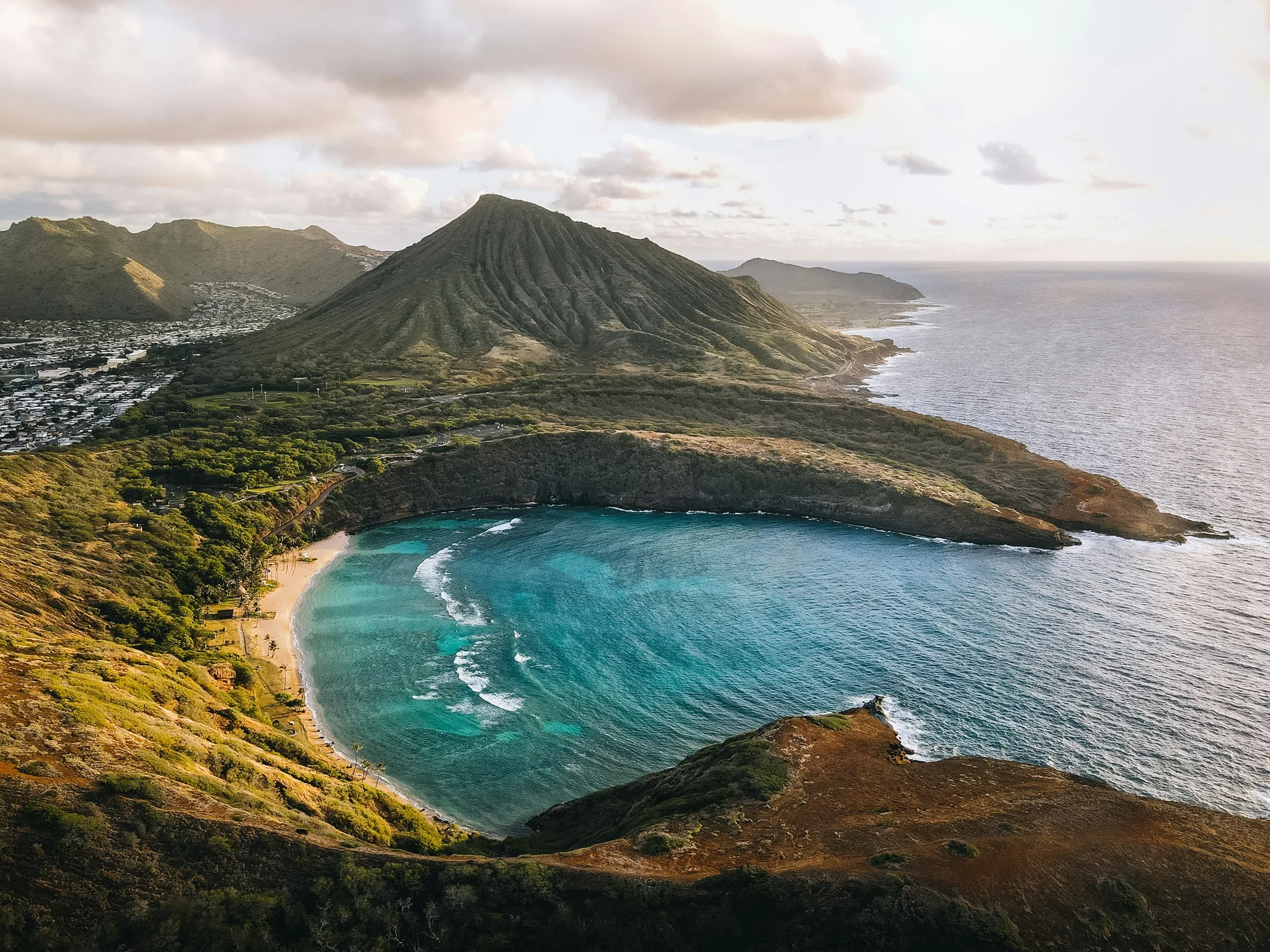
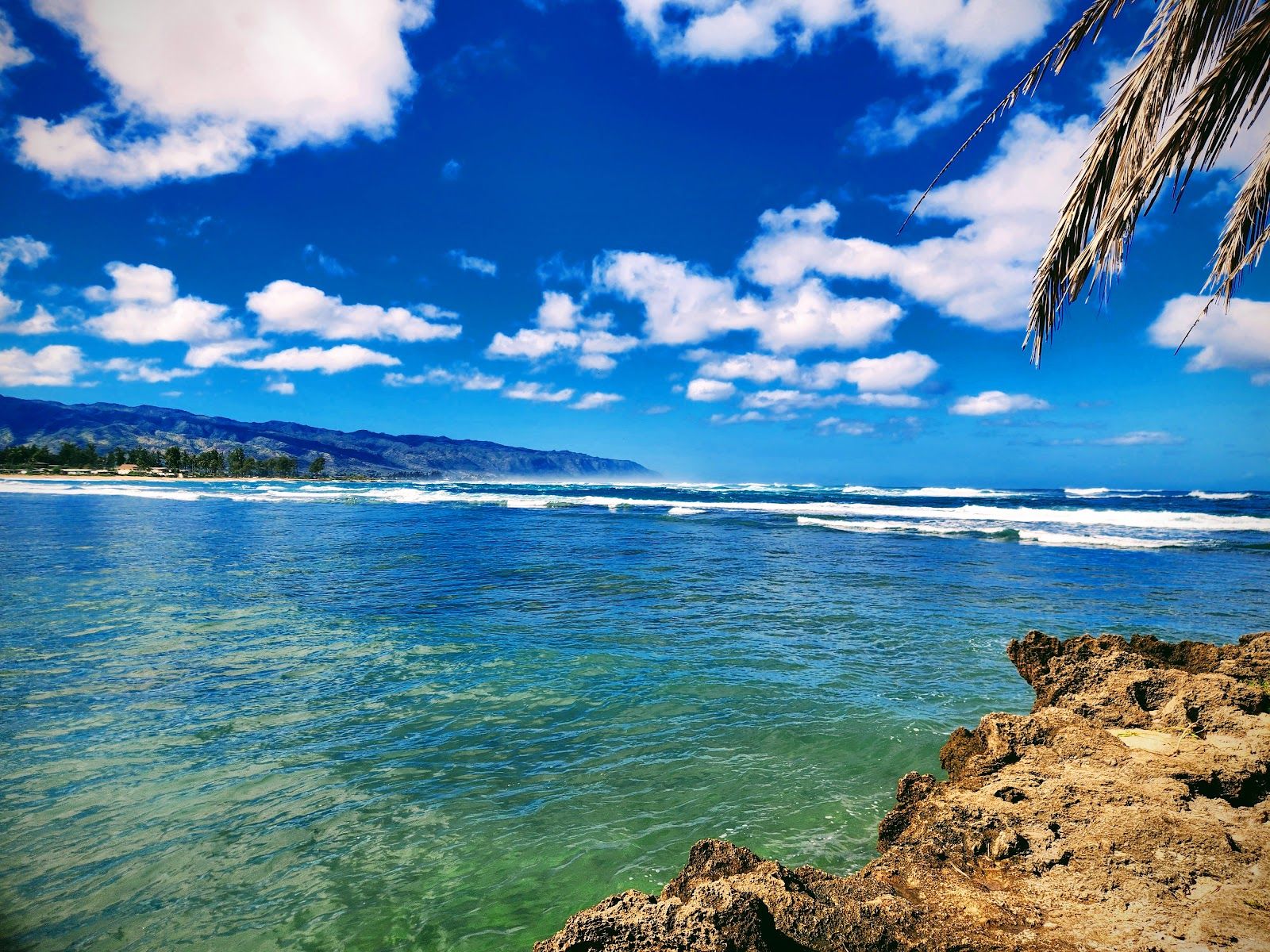
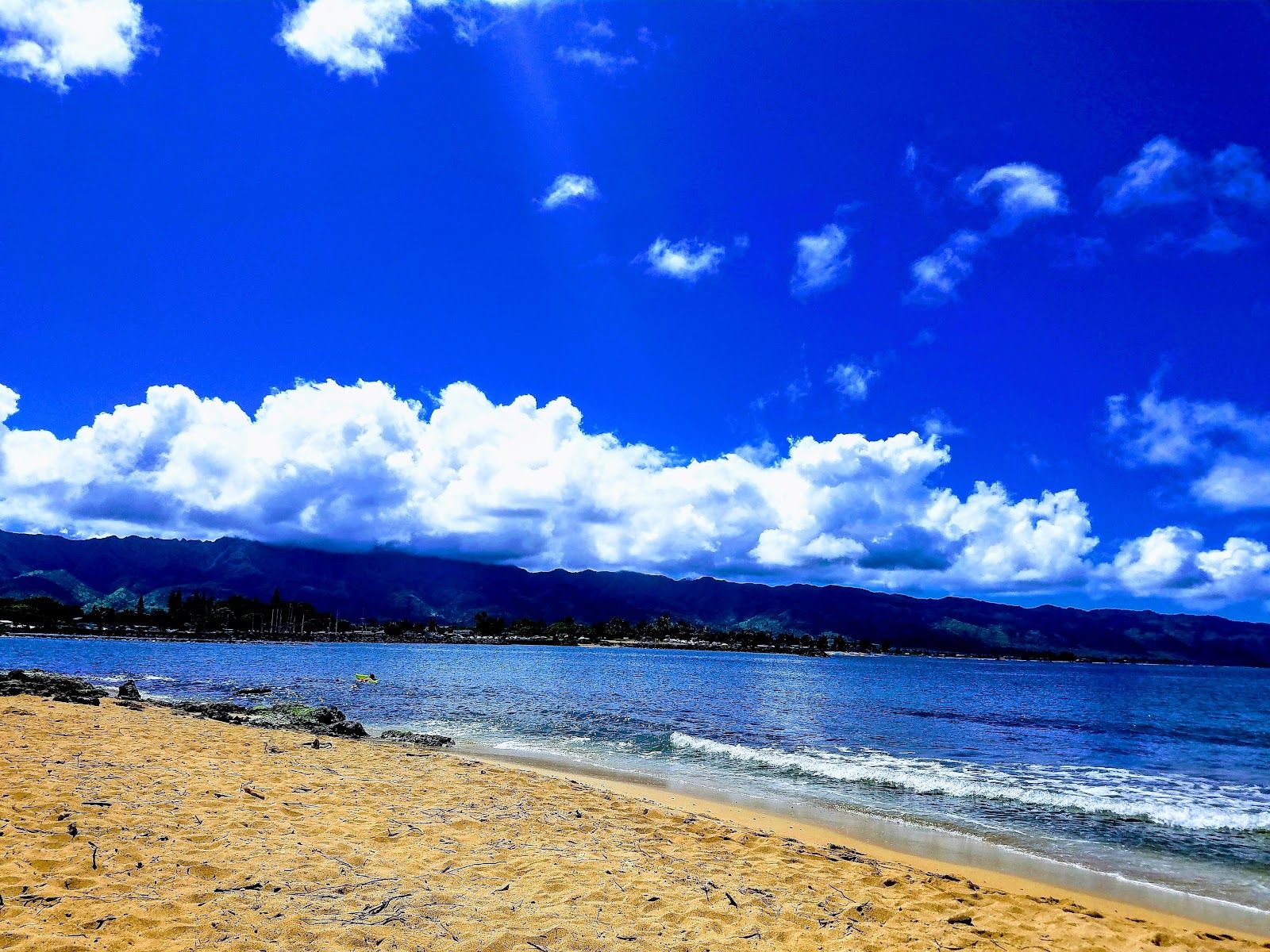
Haleʻiwa Aliʻi Beach Park on Oahu's North Shore offers a wide golden sandy beach, spacious lawns, and panoramic views, perfect for seasonal swimming, snorkeling, surfing, and relaxing near Haleʻiwa Town.
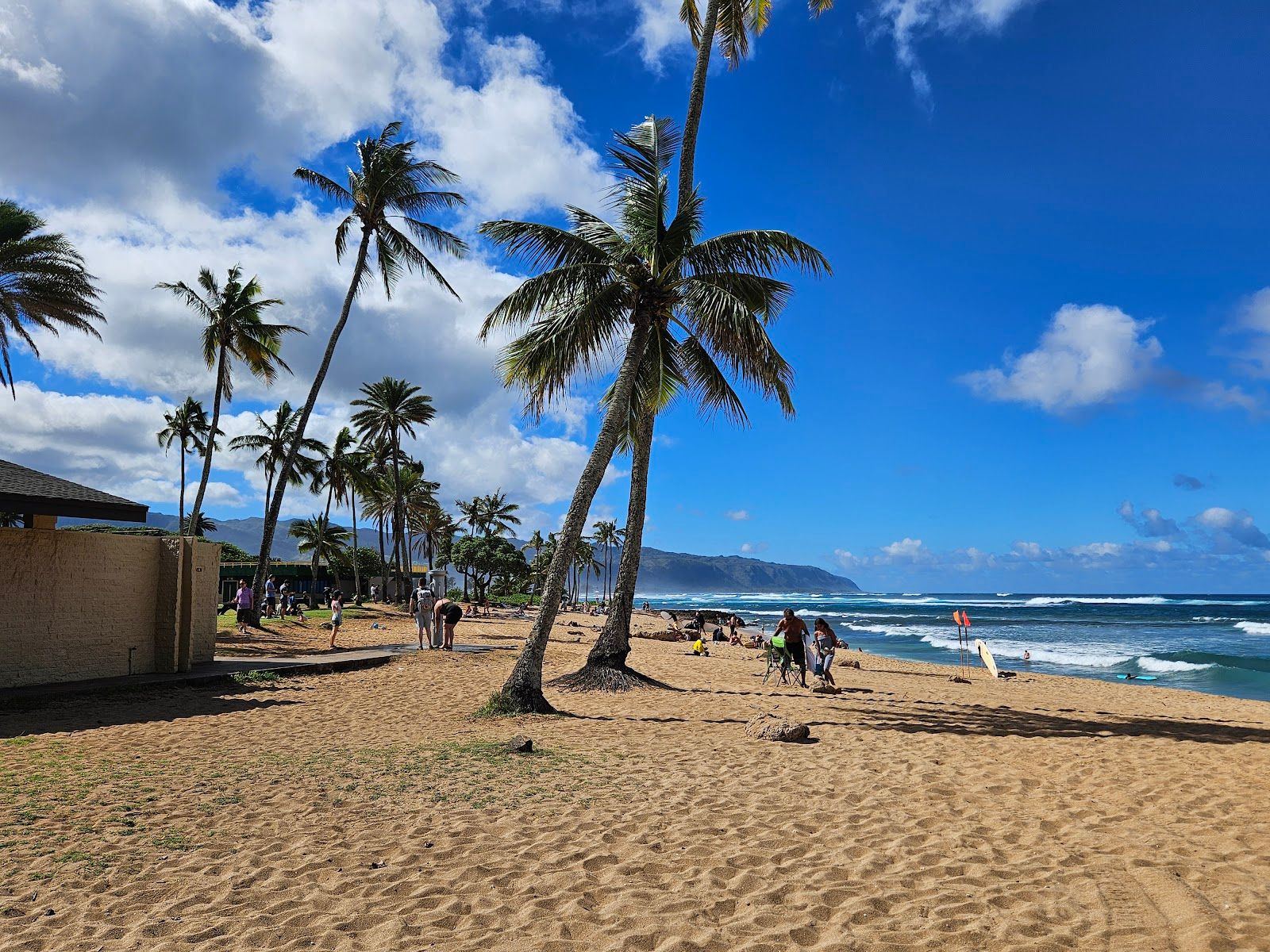
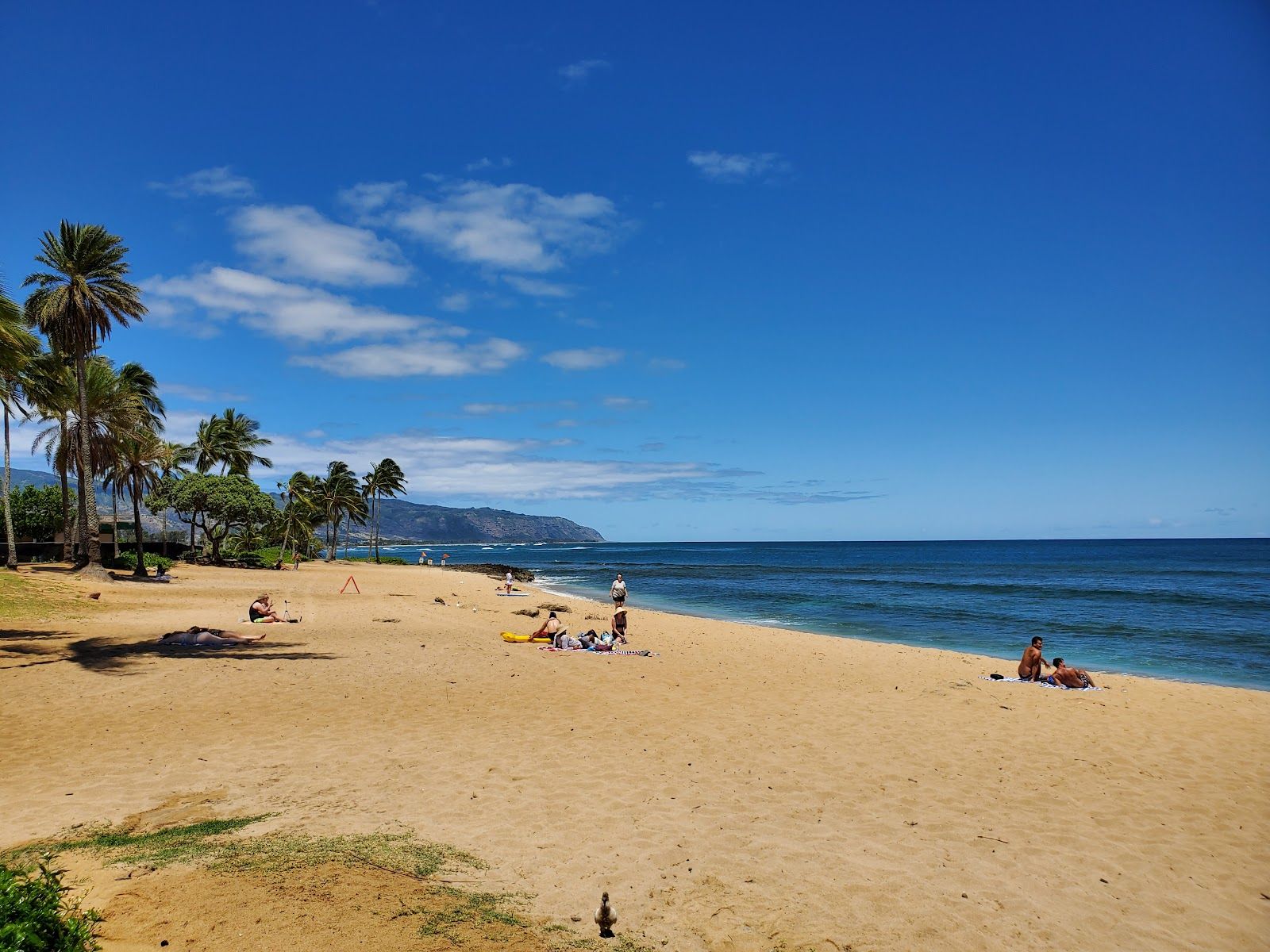
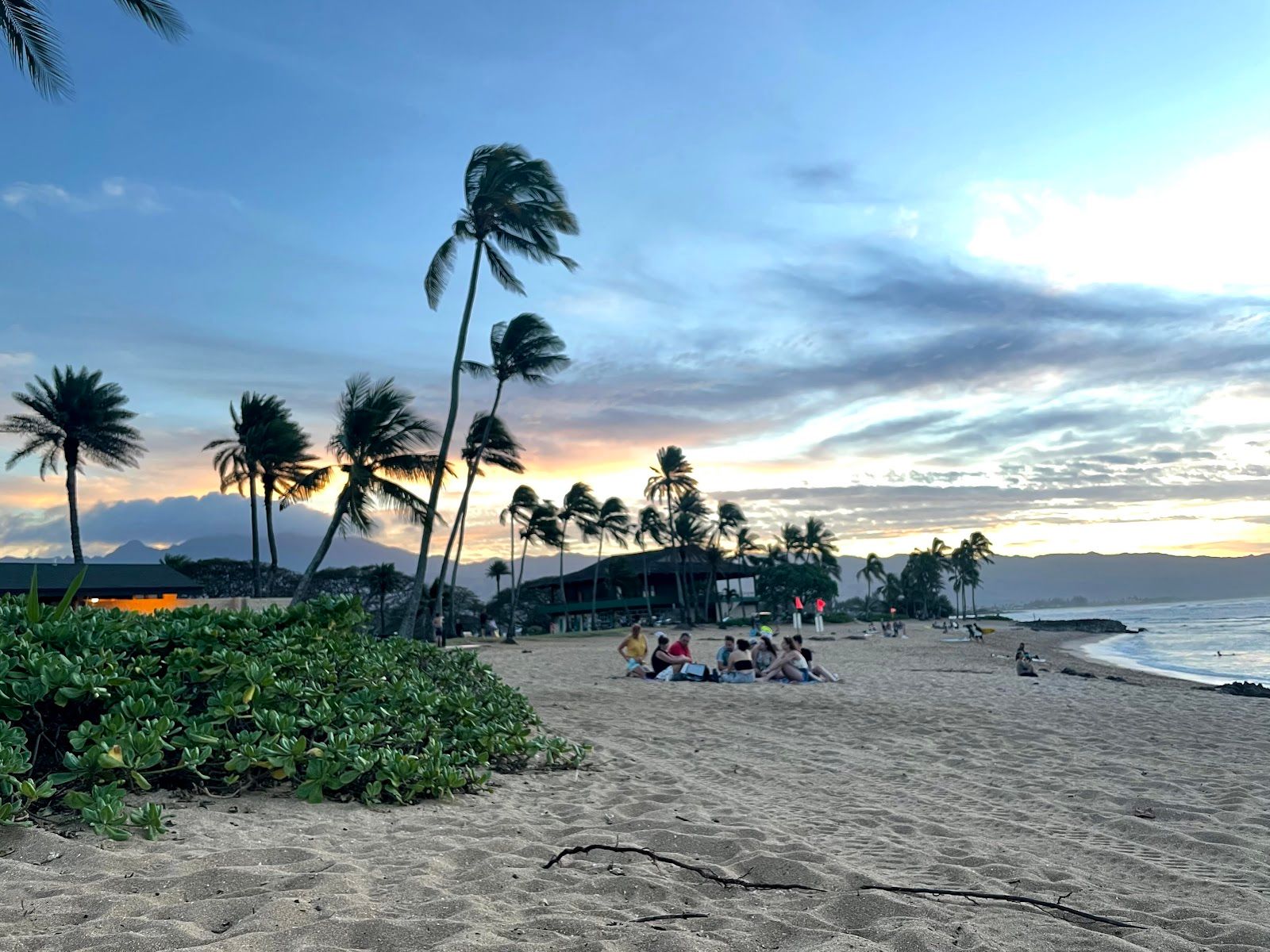
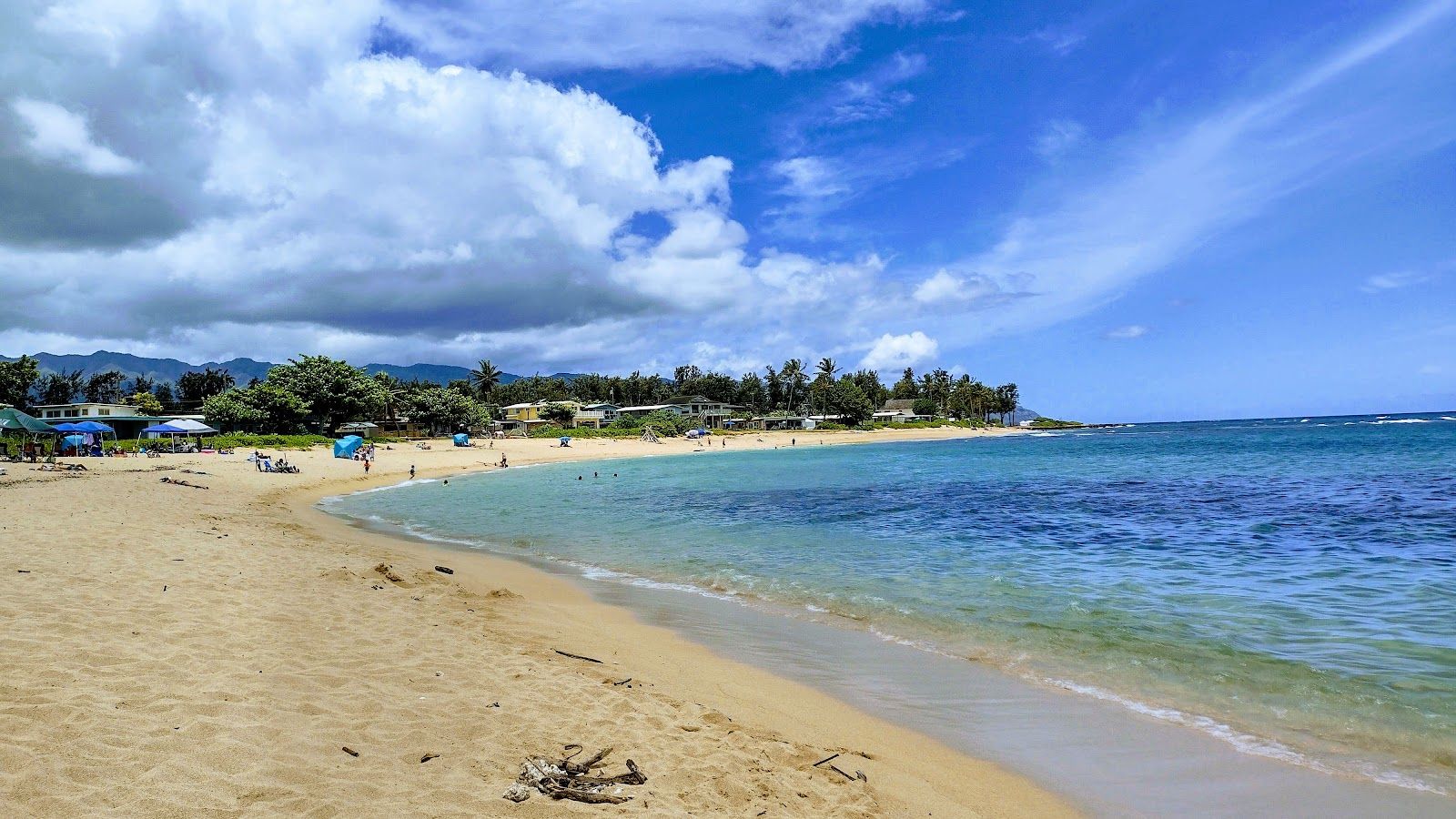
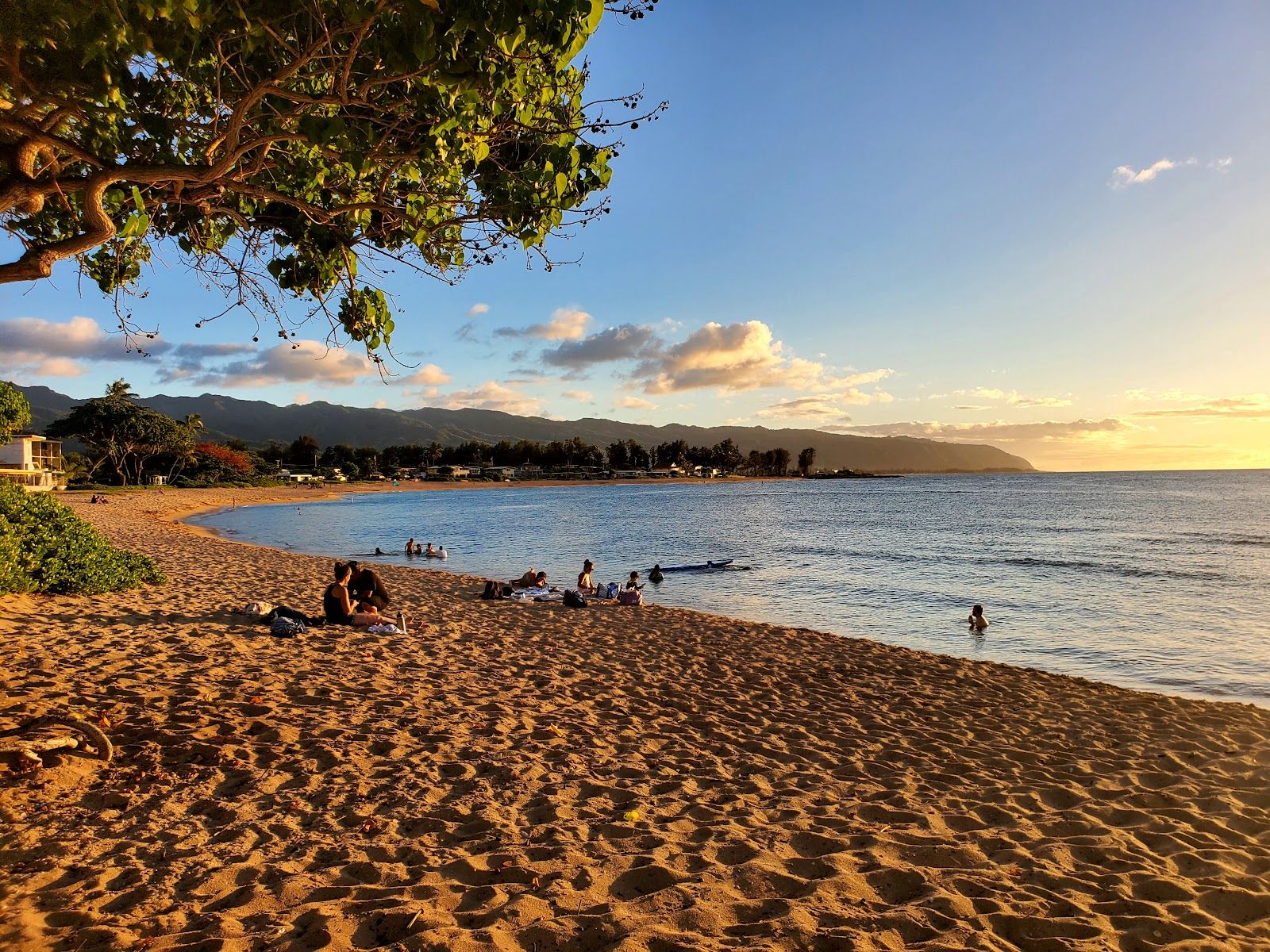
- Wide golden sandy beach
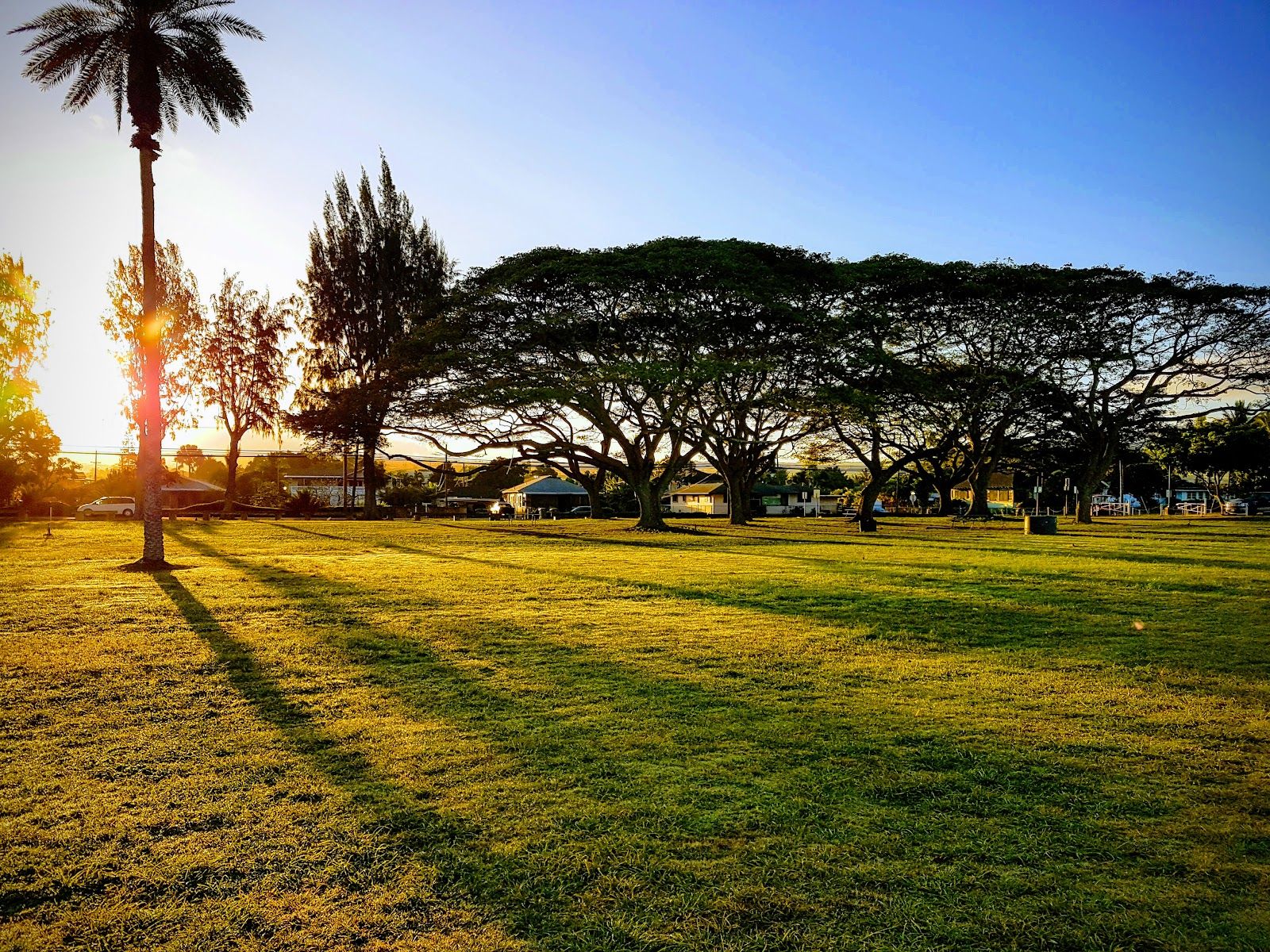
- Spacious grassy lawns
- Shaded picnic areas
- Restrooms and showers
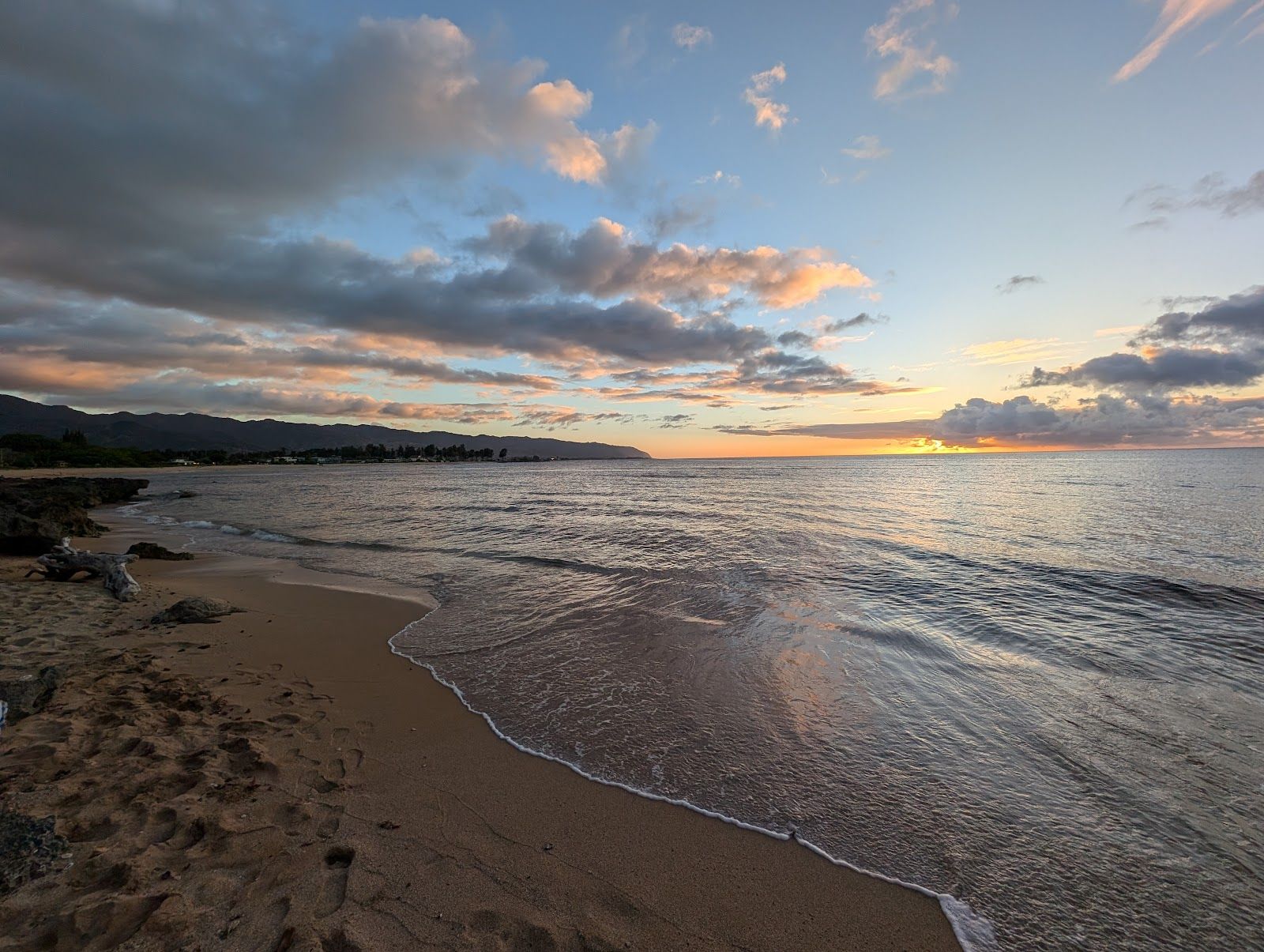
Haleʻiwa Aliʻi Beach Park is a classic North Shore beach stop with a strong sense of place: a broad stretch of sand, grassy picnic lawns, and a front-row seat to one of Oʻahu’s most recognizable surf zones. Set beside Haleʻiwa Town and near the harbor, it works as both a destination in its own right and an easy anchor for a North Shore day that also includes food, shopping, or a sunset stroll through town. Its appeal is seasonal, shifting from mellow summer water to serious winter swell.
Summer calm, winter surf
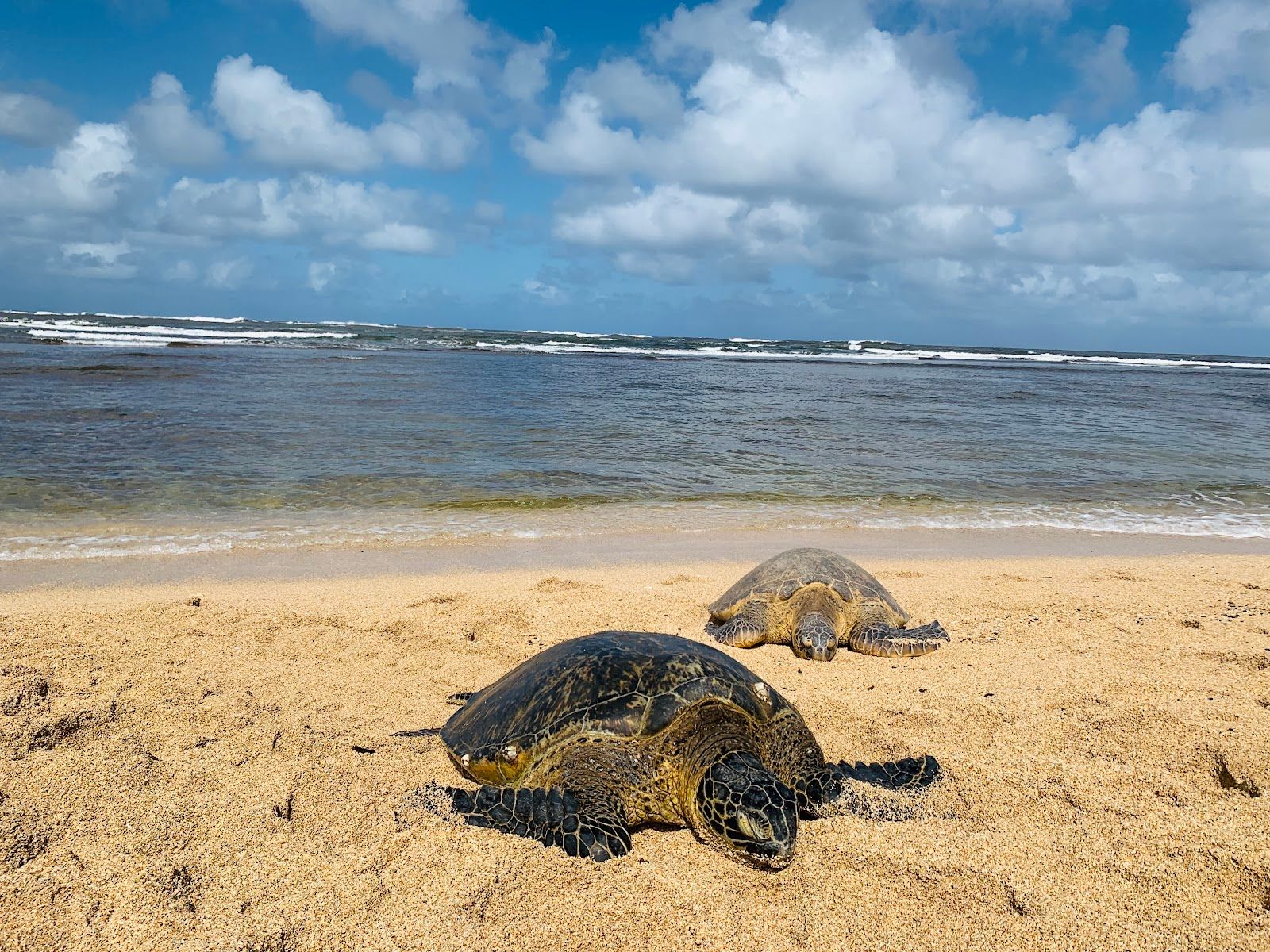
This is one of the North Shore’s most versatile beaches because the ocean changes character so much through the year. In summer, the protected bay area often settles down enough for swimming, snorkeling, and casual family time. The reef can bring fish and, at times, sea turtles close to shore, while low tide may expose tide-pool pockets worth a careful look.
In winter, the beach becomes a surf-watching spot first and a swim beach second. Bigger swell can make the shore break powerful and conditions dangerous for casual water entry, but it also draws experienced surfers and anyone who wants to watch North Shore surf in a setting that feels iconic without being overly polished. If surfing is part of the plan, this is the season when the park’s character really comes alive.
Easy to combine with Haleʻiwa Town
Haleʻiwa Aliʻi Beach Park fits neatly into a North Shore itinerary because it sits so close to town. That means it can be a beach break between lunch and shopping, a sunset stop after a day along the coast, or the main outdoor pause in a Haleʻiwa half-day. The park’s lawns, picnic tables, showers, and restrooms make it more comfortable than many more rugged stretches of this shoreline, so it works well as a place to linger rather than just pass through.
The setting also has a bit of local pop-culture cachet. The beach has appeared in film and television, and surf events have used the area as a stage, which helps explain why it feels like both a neighborhood park and a North Shore landmark.
The main tradeoffs: crowding and ocean conditions
The biggest caveat is that the same qualities that make this beach appealing also make it busy. Weekends, surf season, and good-weather days can bring plenty of people, and parking can tighten up as the day goes on. Arriving earlier is the simplest way to make the stop smoother.
Ocean safety matters here, especially outside summer. Currents, heavy shore break, and sharp coral can all be part of the experience, and the water should be entered only with care and attention to posted conditions. Even on calmer days, this is not a place to treat the ocean casually.
Best for travelers who want a flexible North Shore stop
Haleʻiwa Aliʻi Beach Park suits travelers who want an easy, scenic beach with real range: families in calm conditions, surfers and surf watchers in winter, and anyone who likes having amenities close at hand. It is less compelling for visitors seeking a remote, undeveloped, or secluded beach day. For that mood, other North Shore spots may feel more rewarding.