
Foster Botanical Garden
Foster Botanical Garden offers a peaceful 13.5-acre tropical oasis in downtown Honolulu, featuring diverse plant collections, historic trees, and accessible pathways for a leisurely and enriching visit.
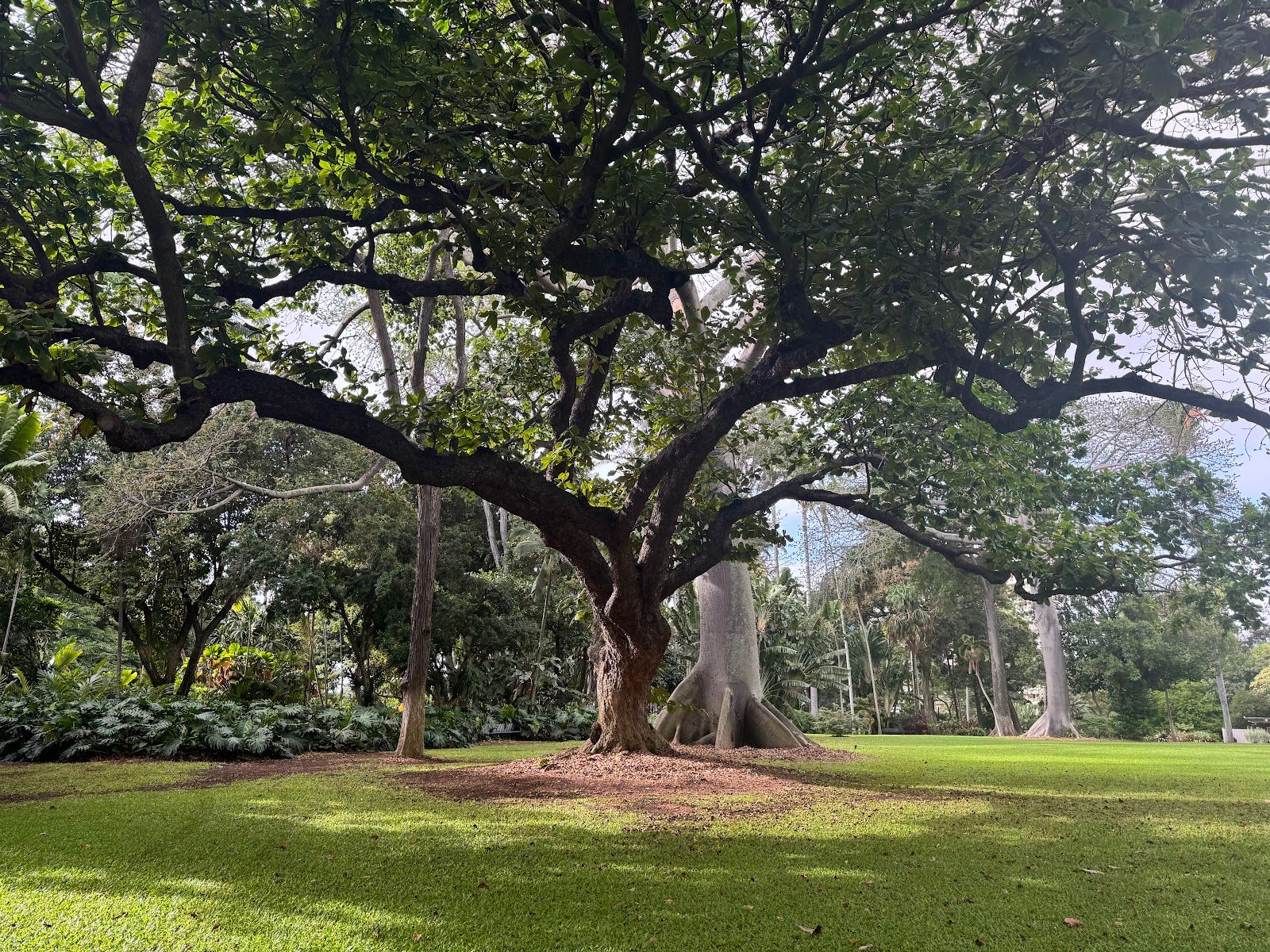
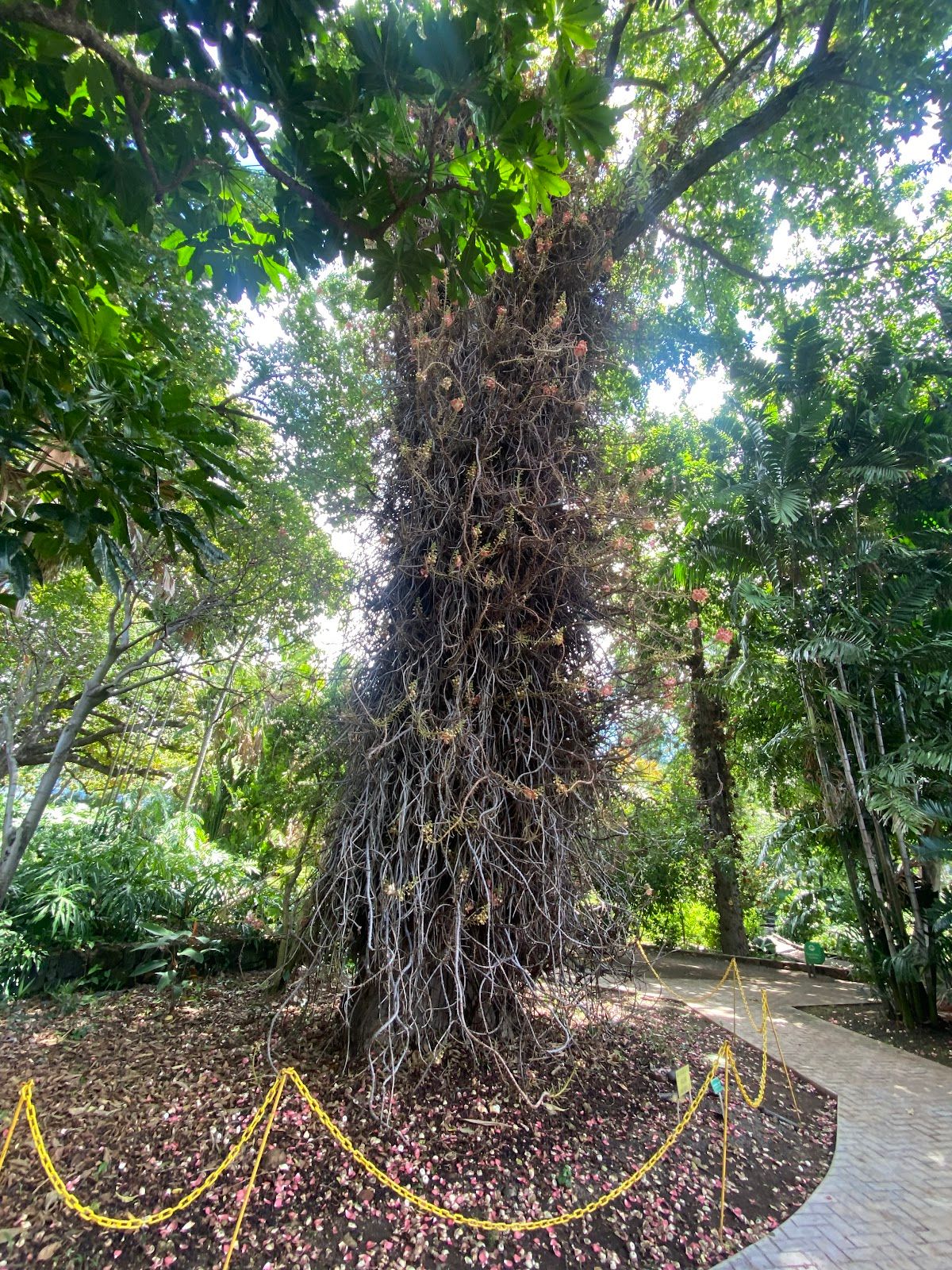
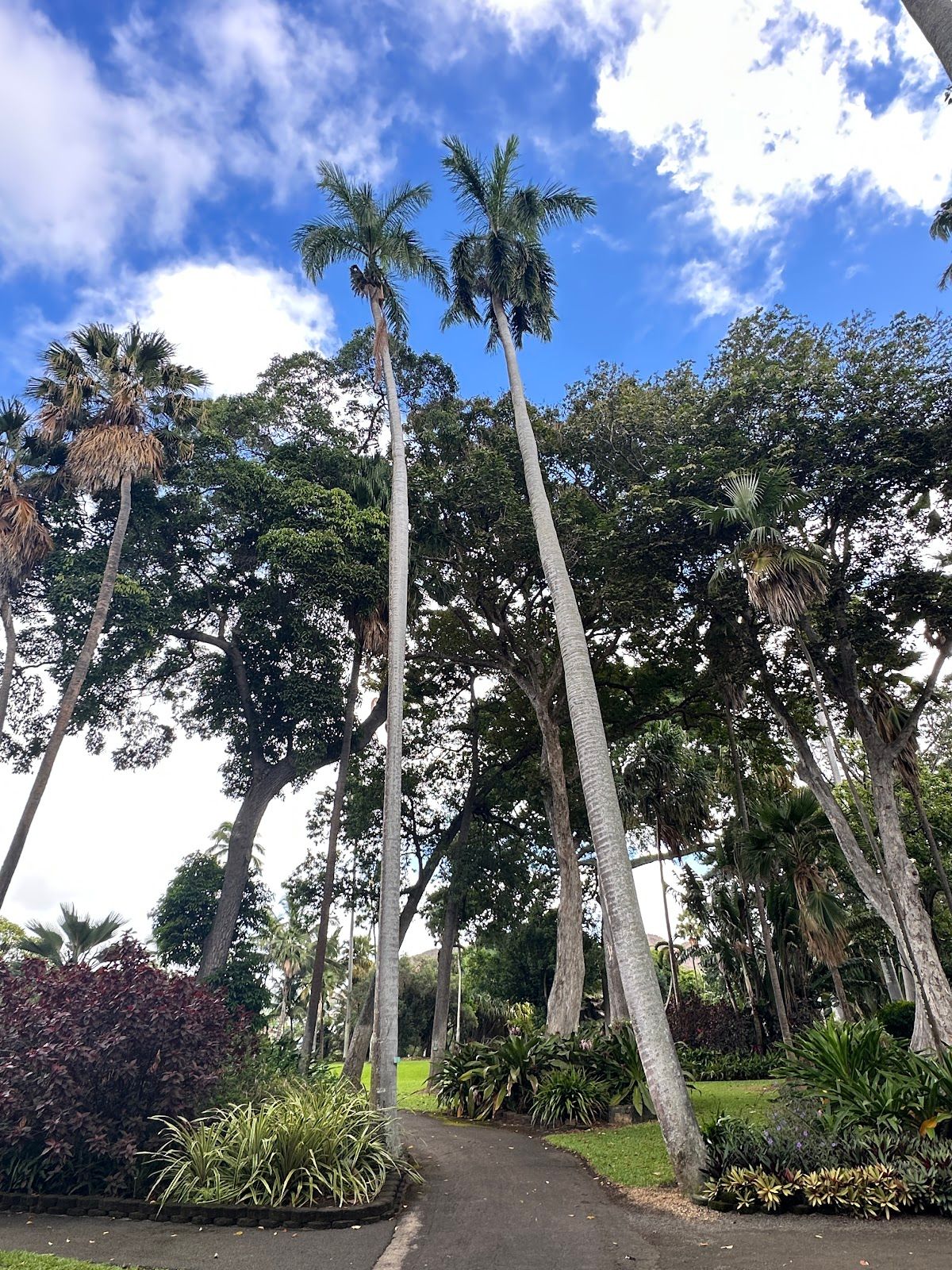
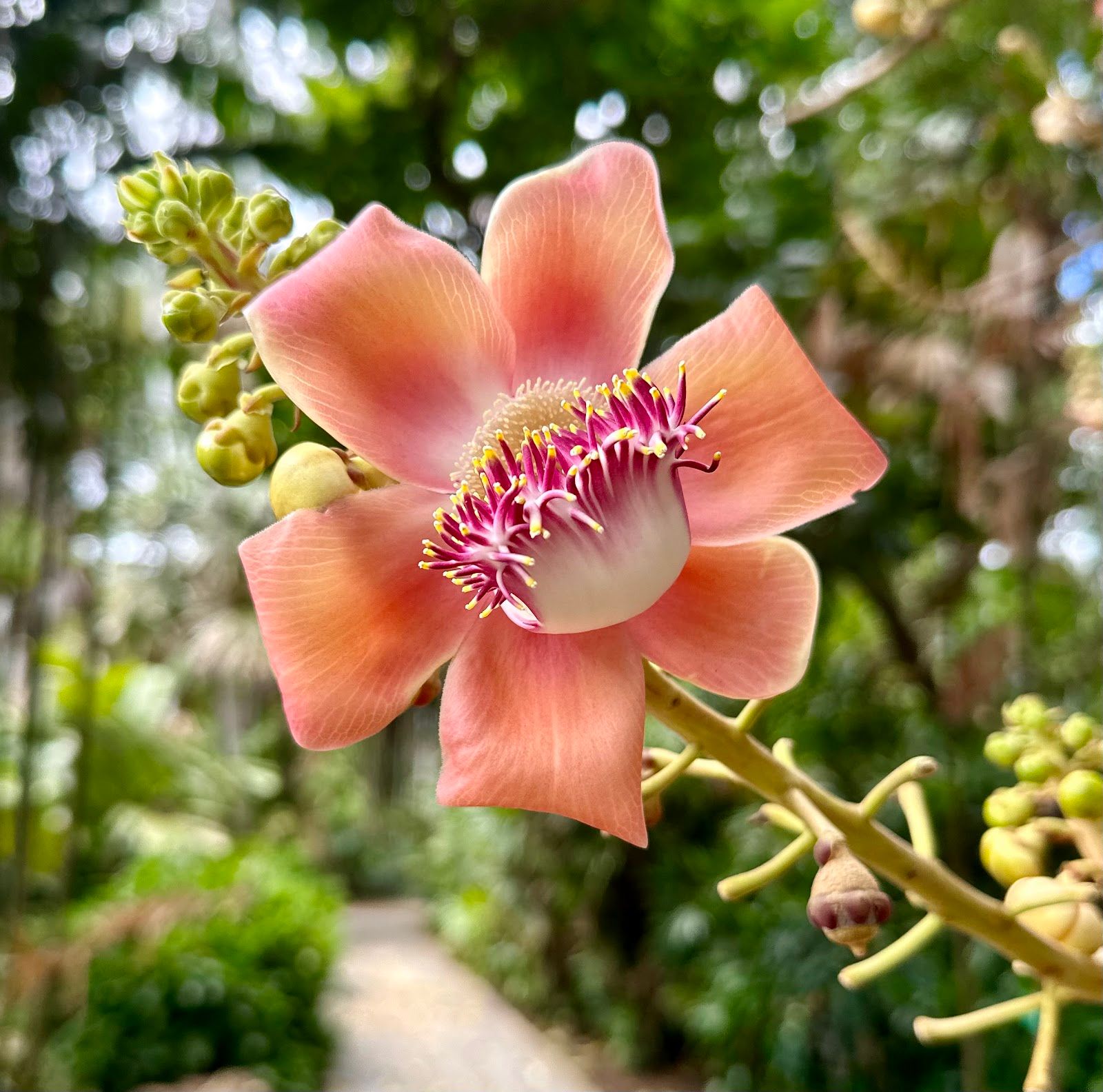
- 13.5-acre tropical garden
- Over 10,000 plant species
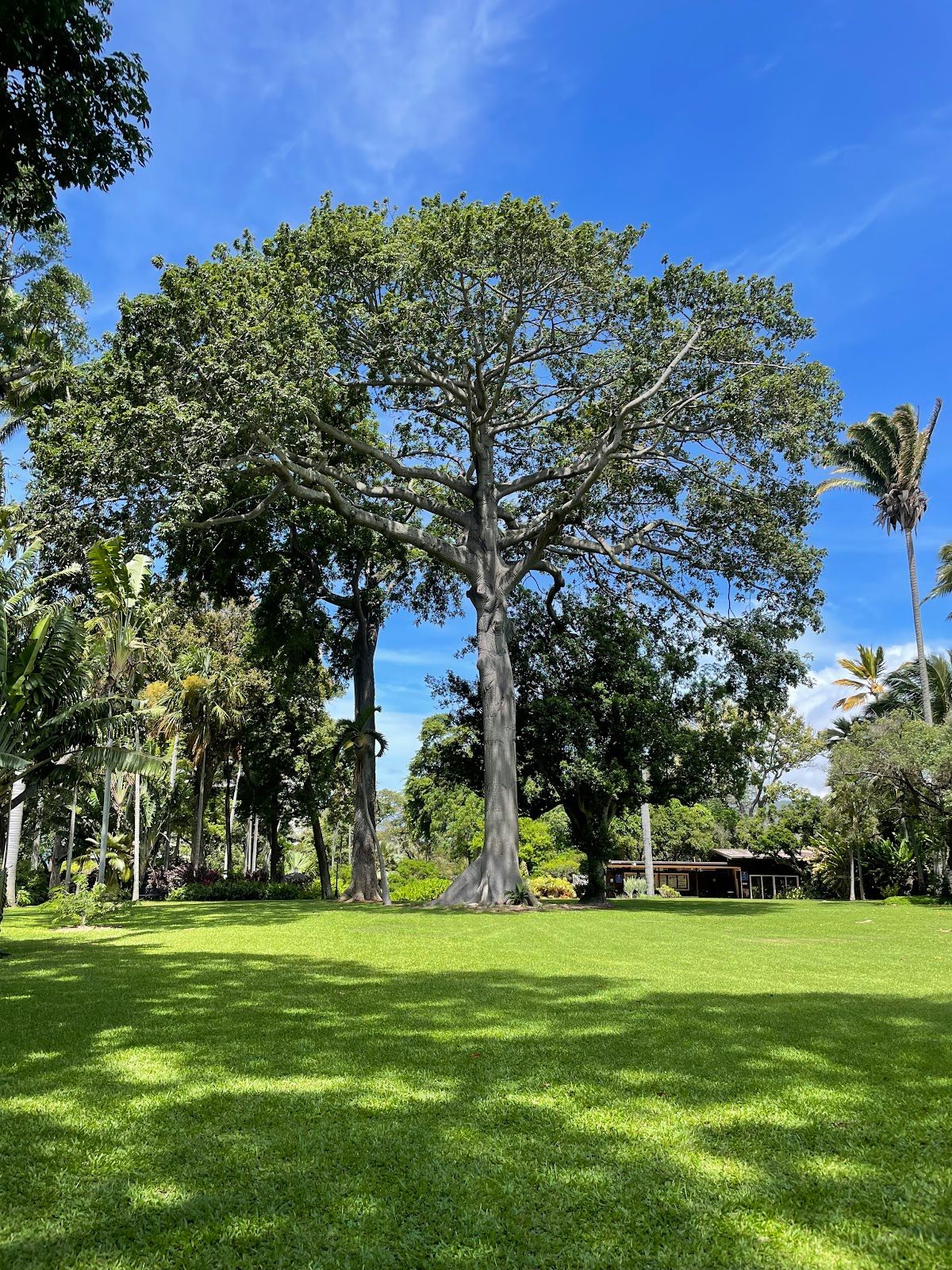
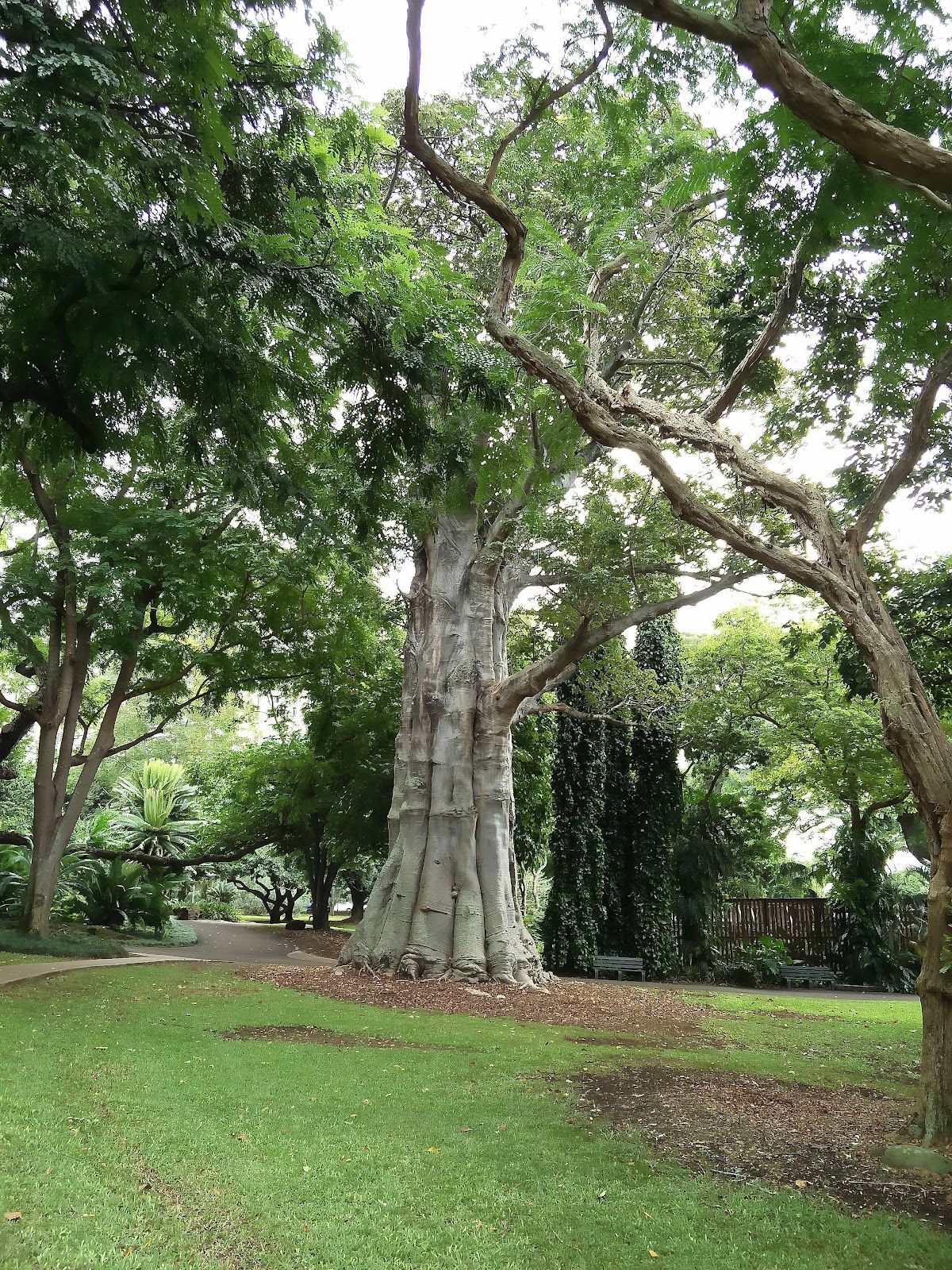
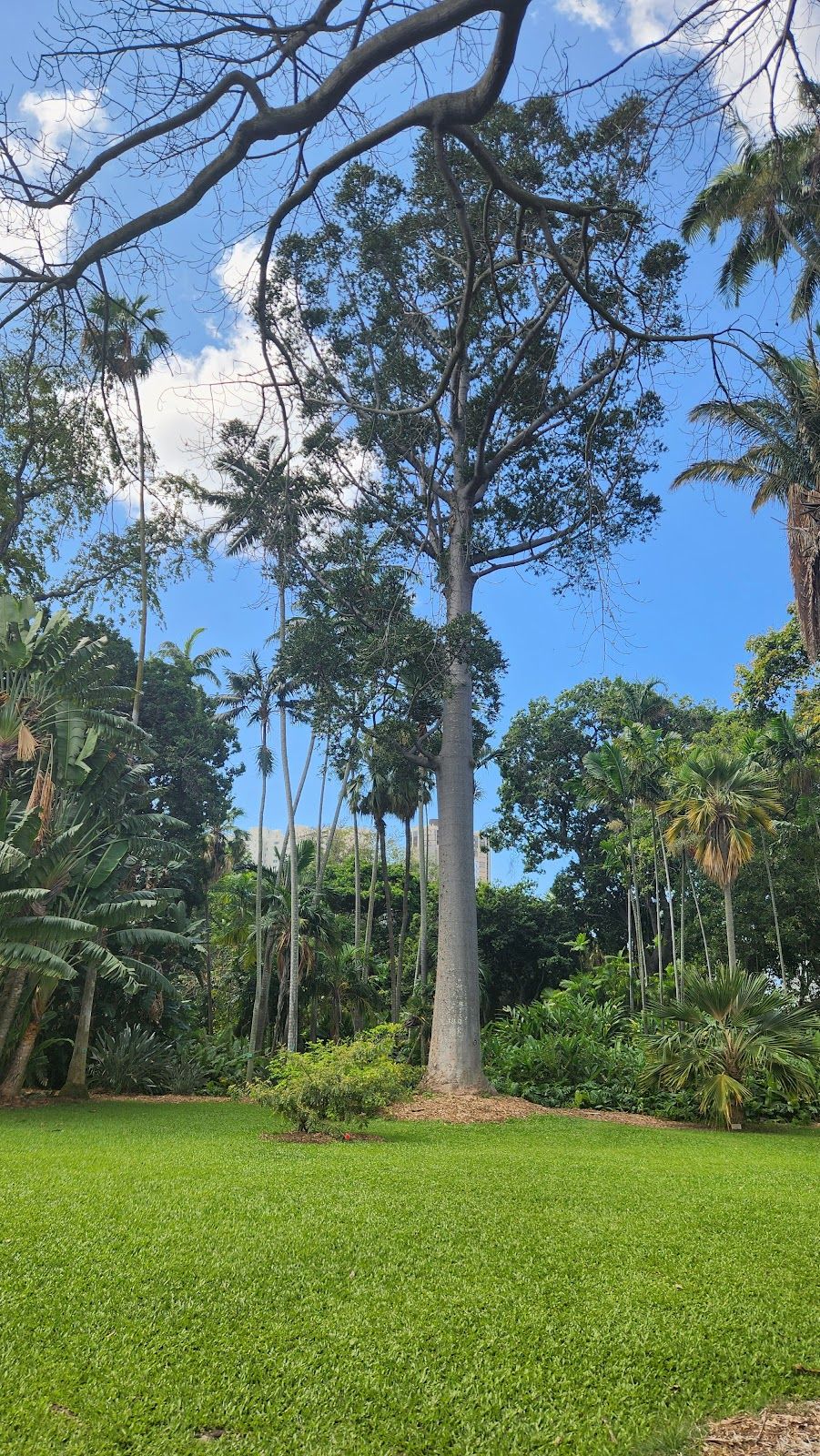
- Exceptional Trees collection
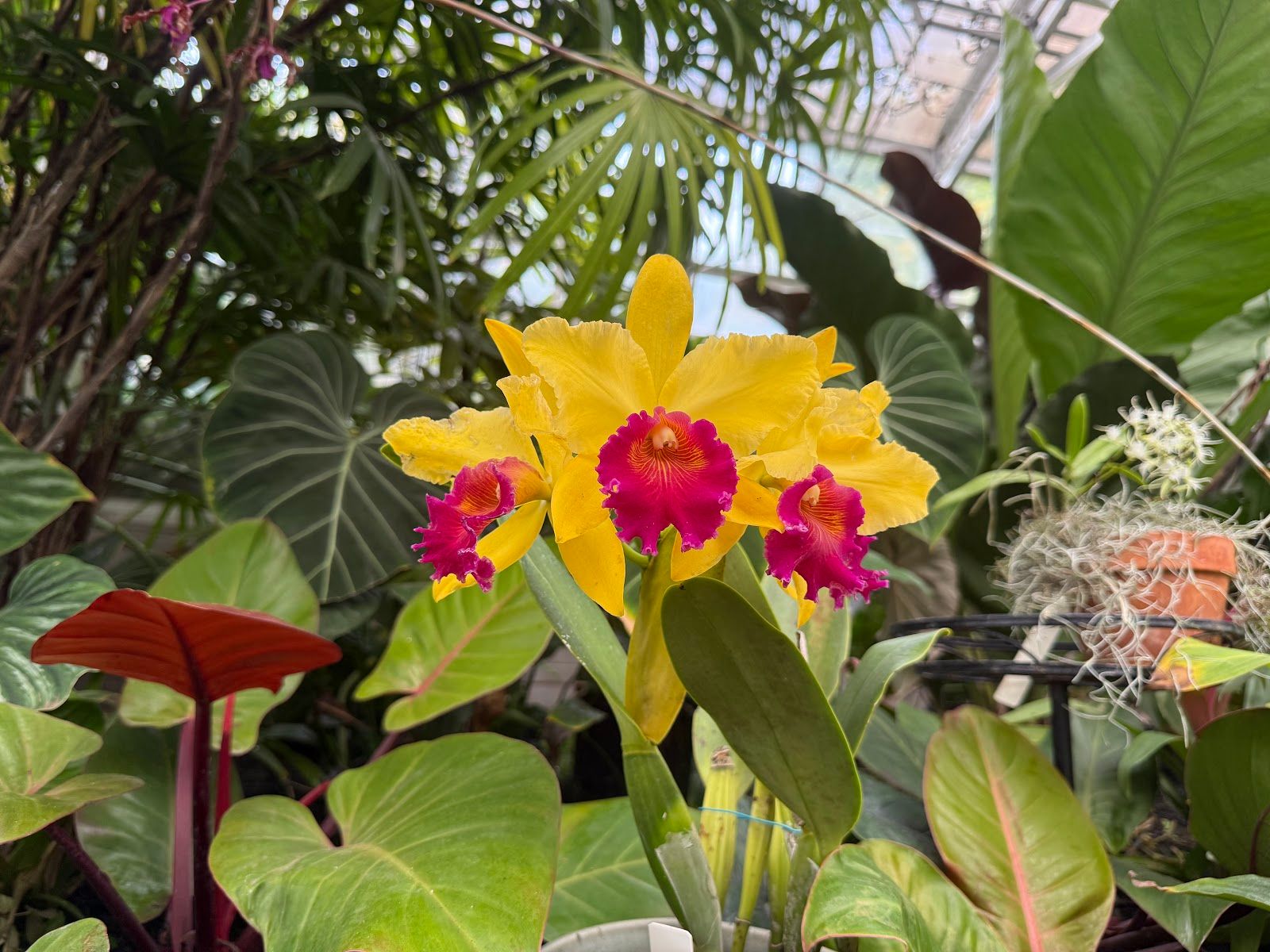
- Prehistoric Glen & Orchid Garden
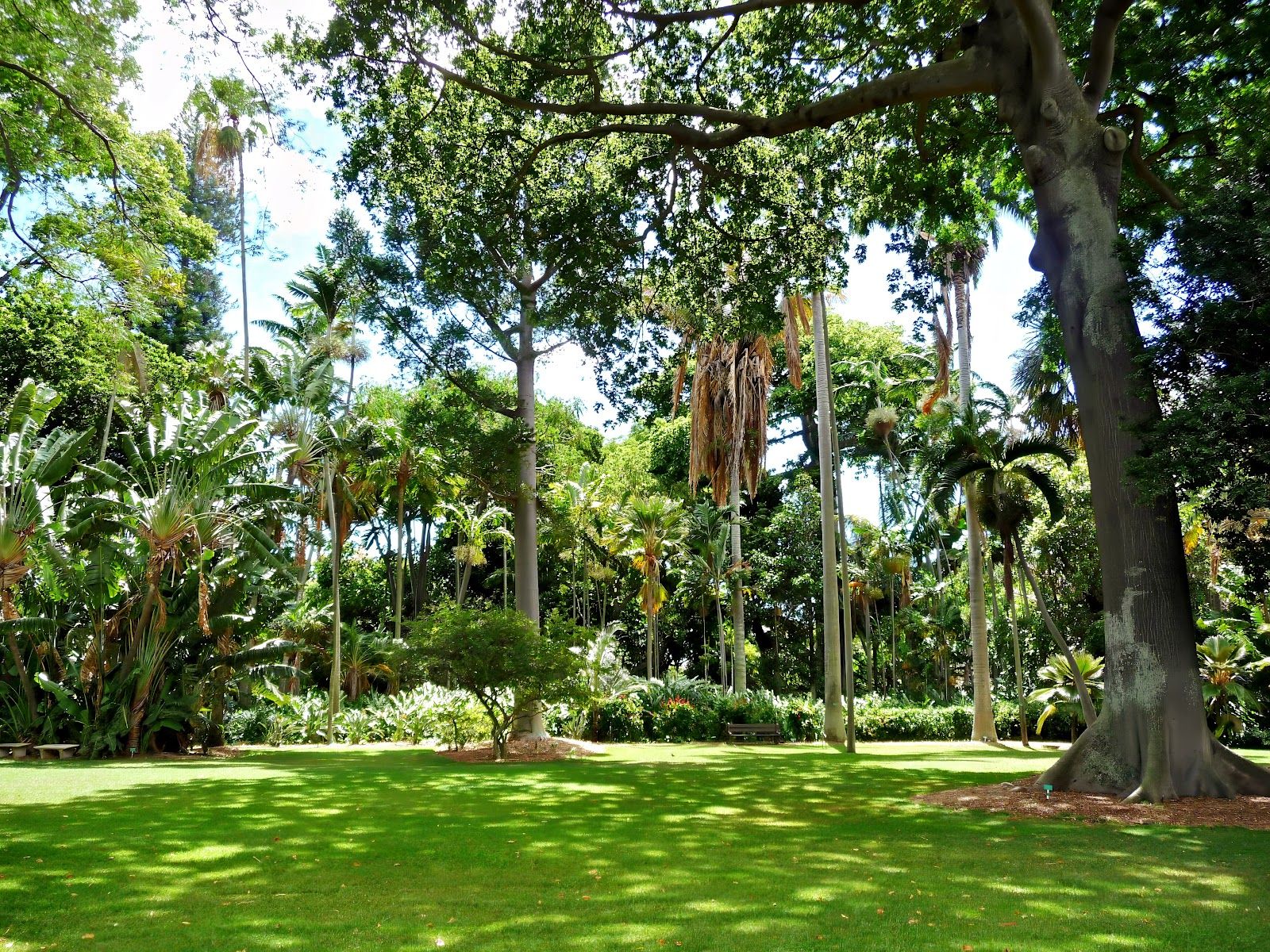
Foster Botanical Garden is a classic downtown Honolulu slowdown: a 13.5-acre botanical garden tucked into the city grid, but feeling worlds away once you step inside. It sits in the Honolulu core of Oʻahu, making it an easy fit for a day that already includes Chinatown, downtown landmarks, or a Kakaʻako add-on. What sets it apart is its age and depth. This is the oldest botanical garden in Hawaiʻi, with layered plant collections, historic trees, and a layout that rewards an unhurried walk more than a checklist visit.
A garden with real historical weight
Foster Botanical Garden is more than a pretty collection of tropical plants. Its roots go back to 1853, when German physician and botanist Dr. William Hillebrand began assembling plants that still shape the garden’s character today. Later, Thomas and Mary Foster expanded the property, and Mary Foster’s donation to the city helped turn it into a public space. That history gives the garden a sense of continuity you can feel in the oldest sections, where mature trees and established plantings create a noticeably different atmosphere from a newer landscaped park.
The garden’s National Register of Historic Places listing fits that identity. It is not just a place to see flowers; it is a living archive of Honolulu’s horticultural and civic history, with a collection that includes more than 10,000 tropical plant species from around the world.
The most rewarding way to see it
The garden works best as a leisurely self-guided stroll, though docent-led tours add useful context when available. A map helps because the experience is organized into distinct areas rather than one single looping highlight. The Upper Terrace is the oldest section and holds some of the most atmospheric big trees. The Middle Terraces bring palms, heliconias, gingers, and aroids into closer view. The Economic Garden adds an interesting practical lens, with plants used for spices, medicines, dyes, and beverages.
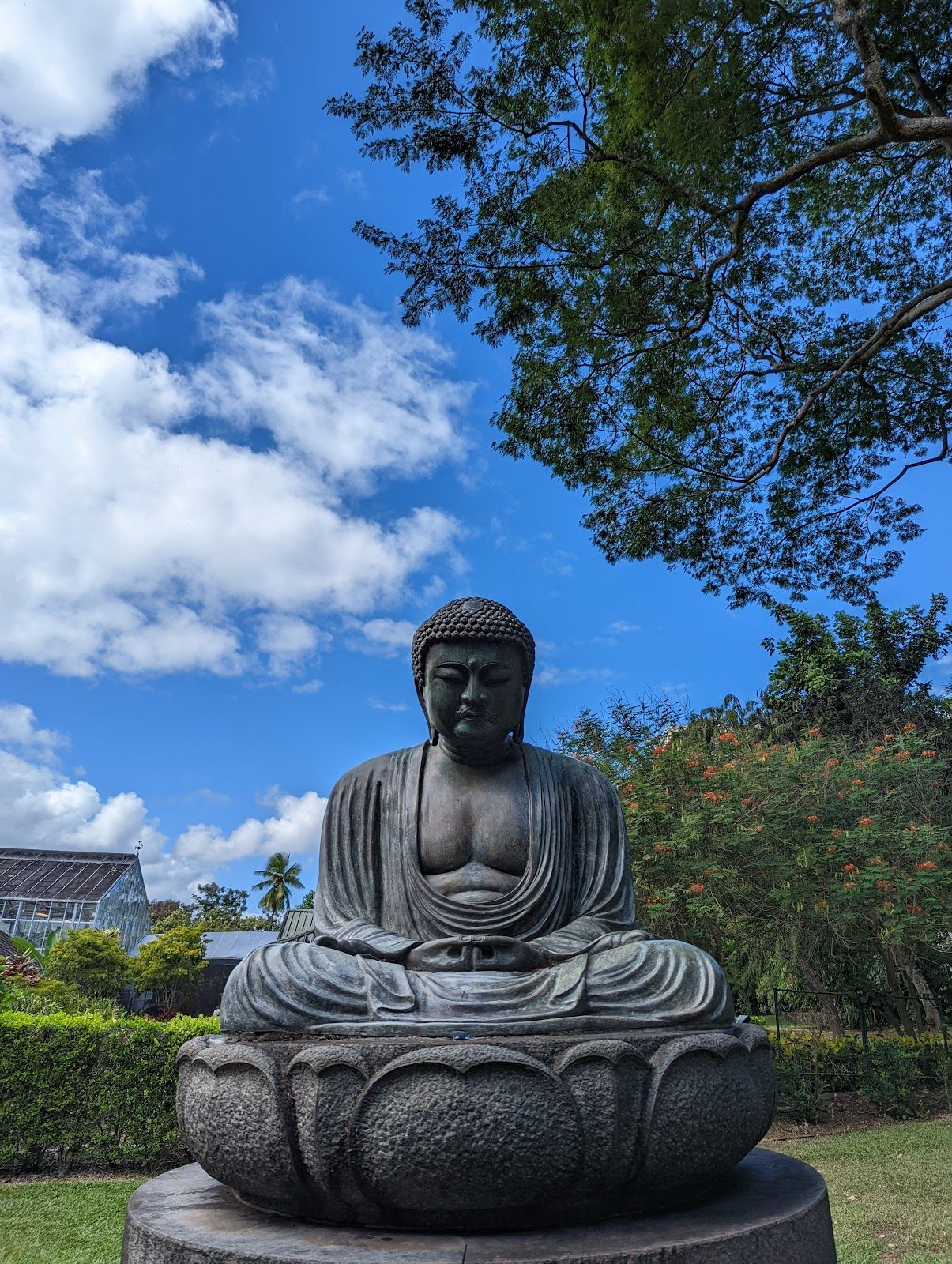
Two areas often stand out for travelers who want a little more character: the Prehistoric Glen, with ancient-looking cycads and a lush, primeval feel, and the orchid collection, which gives the garden a more delicate, curated side. The “Exceptional Trees” are another signature element, including species protected for size, age, rarity, or cultural significance. A Sacred Fig tied to Buddhist tradition and a few other uncommon specimens give the garden a broader cultural and botanical range than many visitors expect.
Why it fits neatly into a Honolulu day
This is an easy activity to place between more urban plans. It does not demand a full day, but it can comfortably absorb a few hours if the pace is slow and the interest is high. Because it is downtown, it pairs well with lunch in Chinatown, a walk through nearby civic districts, or an afternoon that shifts toward the waterfront.
The garden is especially useful when a traveler wants a green break without driving far from the city center. Free on-site parking and public transit access make it relatively straightforward to reach, and the accessible pathways make it a practical choice for a wide range of visitors. The atmosphere is calm rather than dramatic, which is part of the appeal.
Tradeoffs to keep in mind
Foster Botanical Garden is best for travelers who enjoy plants, history, photography, or quiet wandering. It is not the right pick for anyone looking for a strenuous outing, a big-ticket attraction, or a highly interactive experience. The pace is intentionally gentle, and the main reward is depth rather than spectacle.
A few practical points matter: it is a living collection, so staying mindful around unfamiliar plants is sensible; pets are not permitted except service animals; and Honolulu sun can make even an easy stroll feel warmer than expected. For visitors comparing botanical options on Oʻahu, Foster stands out for its historic core and central location. If the goal is a peaceful, culturally layered city garden rather than a large landscape escape, it is an excellent choice.